In June 2022, Peter Scott-Morgan, the first cyborg in human history, died at the age of 64. In his 1984 book The Robot Revolution, Peter predicted that one day humanity would follow the path of "enhanced humans": "If [humans] choose to follow the path of'enhanced humans', then it is possible that humans and robots will follow the same evolutionary path... In this way, humans will one day be able to replace their too fragile bodies with more permanent mechanisms and use supercomputers as intelligent amplifiers."
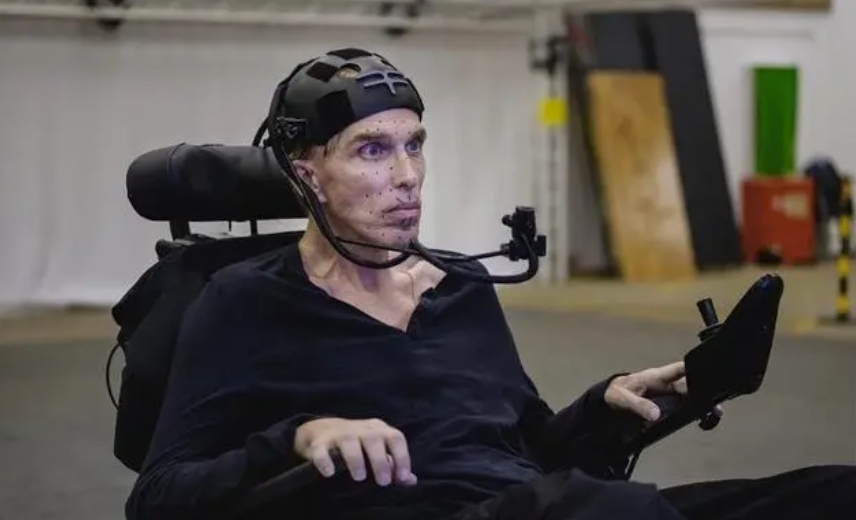
The first commercial exoskeleton appeared in 2000, and 2016 was another turning point. Before that, the number of patents for exoskeletons worldwide did not exceed 100. Since then, the number of patents for exoskeletons has begun to grow exponentially, and exoskeletons have truly moved from fantasy to reality, from the laboratory to mass production.
As a wearable robot that combines human and machine, exoskeleton robots are opening up more market space as their product performance improves and costs further decrease. In addition to the medical and military markets, exoskeleton robots are currently expected to become an important tool for improving production efficiency in the pan-industrial field, and their deployment is growing rapidly.
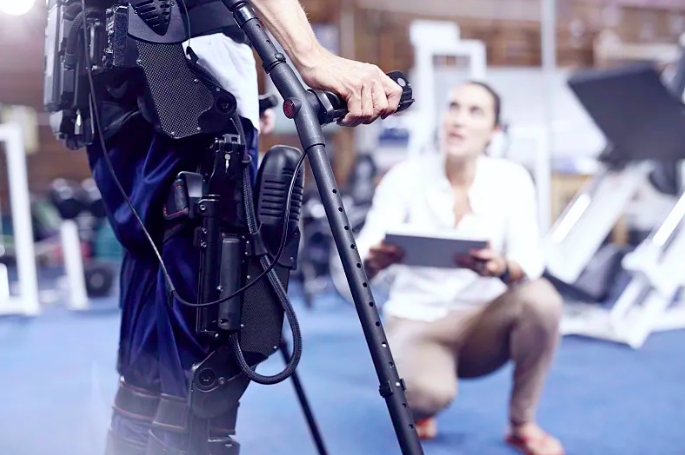
The era of industrial exoskeleton robots is approaching, and the era of household exoskeleton robots is also approaching.
Among the many key factors in exoskeleton design, pressure distribution plays an important role. From posture optimization, sports biomechanics research, load distribution to personalized adaptation, the application of pressure distribution to exoskeletons is changing our understanding of assistive devices, making them more intelligent, comfortable, and personalized.
posture optimization
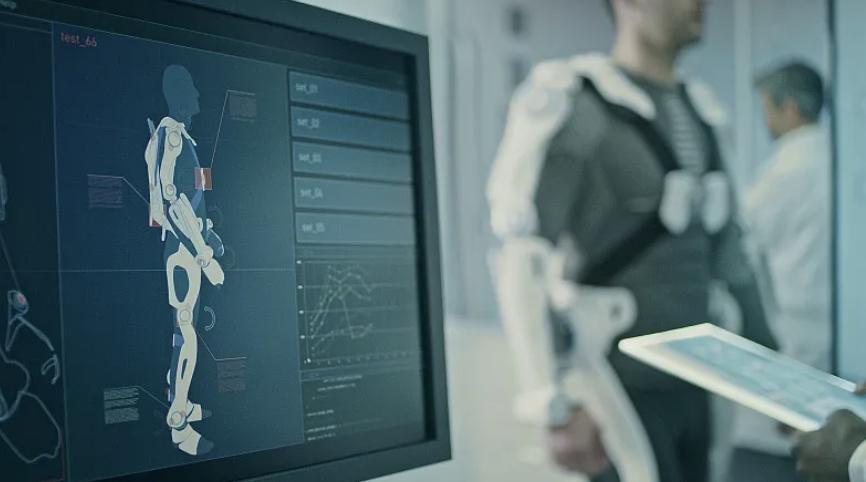
Real-time monitoring and adjustment: The pressure distribution test system can monitor the user's posture in real time, including standing, walking, sitting and other movements. Through the real-time pressure distribution data collected, the support points and angles of the exoskeleton can be adjusted to better adapt to the user's natural posture and improve the comfort of wearing.
Support point optimization: By analyzing the data of the pressure distribution test system, the pressure distribution experienced by the user in different movements can be understood. In posture optimization, designers can systematically adjust the support points of the exoskeleton according to the corresponding data, reducing the pressure concentration area and reducing the burden on joints and muscles, thereby improving the stability and efficiency of the exoskeleton.
Sports biomechanics research
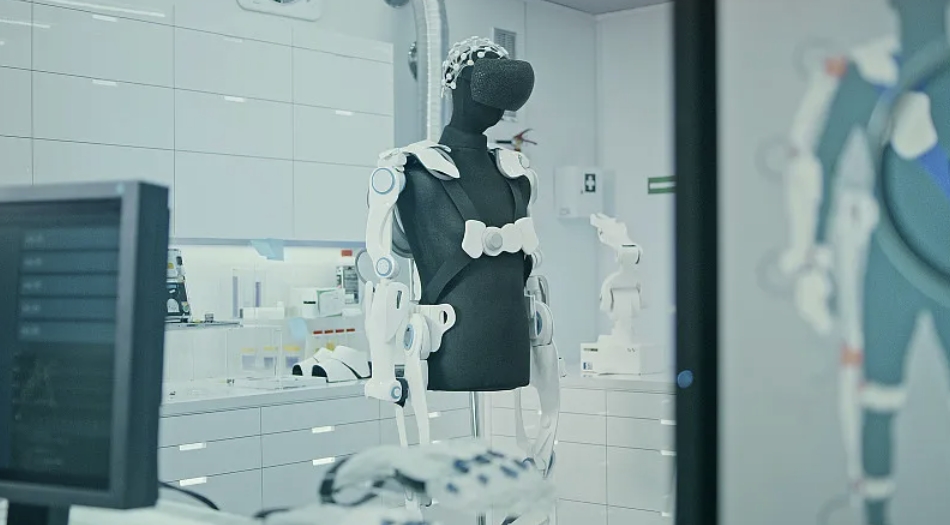
Joint motion analysis: The pressure distribution test system is not only able to monitor the overall posture, but also to analyze the joint motion in depth. By studying the pressure distribution at the joints, the system can provide more detailed motion biomechanical data. This helps to optimize the joint design of the exoskeleton so that it can better simulate and assist the user's natural movements.
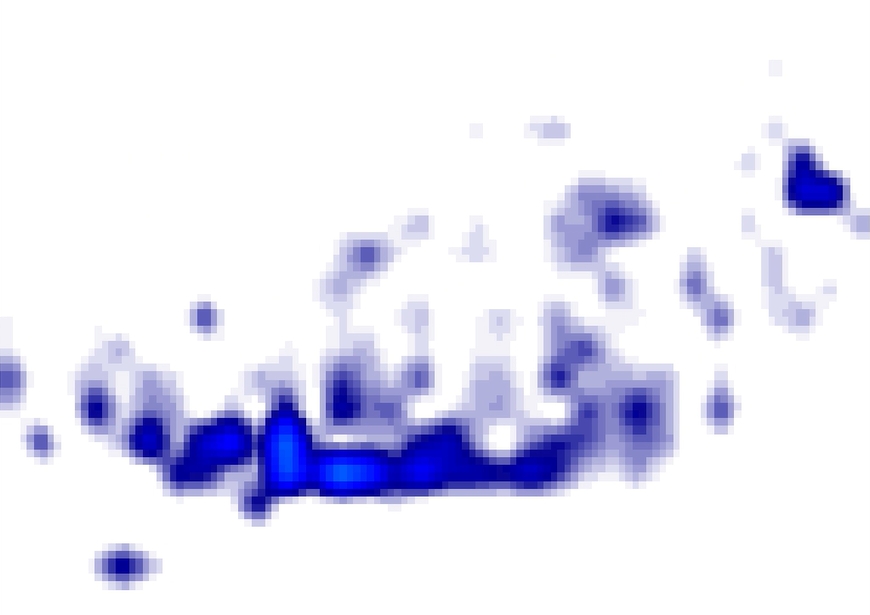
Torque balance adjustment: Through sports biomechanics research, the pressure distribution test system can identify the torque distribution of the user in different movements. This provides a reference for the torque balance of the exoskeleton system, helps to adjust the power mode of the exoskeleton, reduces the joint load, and improves the user's movement efficiency.
Intelligent Practice of Load Distribution
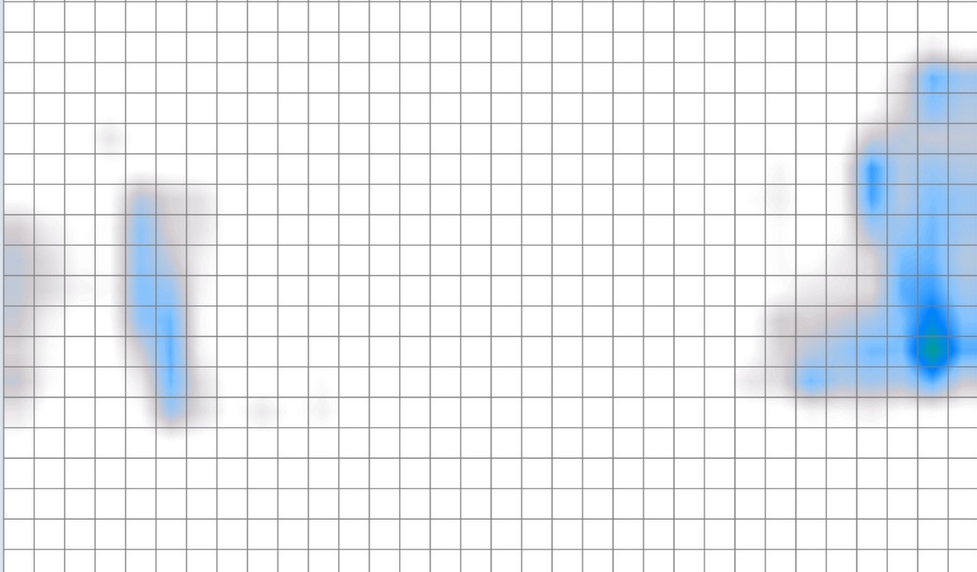
Real-time load monitoring: The pressure distribution test system can monitor the load distribution of users in real time. Through sensors arranged on the exoskeleton structure, the system can analyze the load borne by users under different activity states, providing accurate data support for load distribution.
Intelligent load adjustment: Based on the data of the pressure distribution test system, the exoskeleton system can intelligently adjust the support points and forces to achieve even load distribution. This helps to reduce pressure on specific parts, reduce fatigue, and improve user comfort and experience.
The future of personalized adaptation
Data-driven personalized design: With the large amount of data collected by the stress distribution test system, future exoskeleton designs can be based more on individual differences. Through data analytics and machine learning algorithms, the system can customize the exoskeleton design for each user to meet the physical characteristics and needs of different users.
How to build Iron Man in batches
In the simulation experiment of Shanghai Fengyou Biomechanics R & D Center, the subjects wore exoskeletons to perform pressure distribution tests on a treadmill under two different exercise states of walking and running, and used the SPI pressure distribution system and the PressureFilms pressure distribution test system to measure the pressure distribution data of the subjects' waist and legs respectively.
The heat map, maximum pressure, average pressure and COP distribution of the waist and leg dynamics can be seen. The smaller the average pressure, the better the pressure distribution effect; while the smaller the COP coverage area and the smaller the standard deviation, the more stable the exoskeleton design.
Copyright issues, detailed data charts are not displayed, for more information about the experiment, please contact Shanghai Fengyou Biomechanics R & D Center: http://www.delsys.online/Zz_measure.omgl.com.cn_all/show-2195.html
The application of the stress distribution test system has injected new vitality into exoskeleton technology. From posture optimization, sports biomechanics research, load distribution to personalized adaptation, the innovative application of this system will promote exoskeleton technology to new heights.
With the continuous development of technology, we can expect to see more exoskeleton designs based on stress distribution testing systems in the future, providing people with a more intelligent, comfortable, and personalized assistance experience.



 The browser own share function is also very useful~