

Research Direction: Application of SPI pressure distribution test system in pressure distribution measurement of automobile wipers
Car wipers, or should be called wipers, windshield wipers, are as important to drivers as seat belts and airbags, which can ensure a clear line of sight in bad weather. Therefore, the design of wipers has always been a particularly crucial step in the automotive development process.
In 1913, the American automobile manufacturing industry began to show exponential growth, and with the development of the automobile industry, people gradually began to realize the importance of wipers, but it was not until 1922 that Cadillac became the first manufacturer to include wipers as a standard part of automobiles.

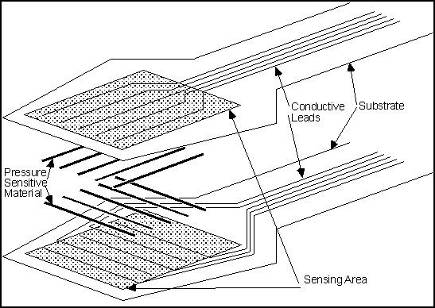
The SPI flexible fabric pressure distribution test system uses complex mathematical algorithms to intelligently separate signal from noise, and its electronic shielding technology can avoid the interference of the sensor by noise, temperature and humidity to the greatest extent.
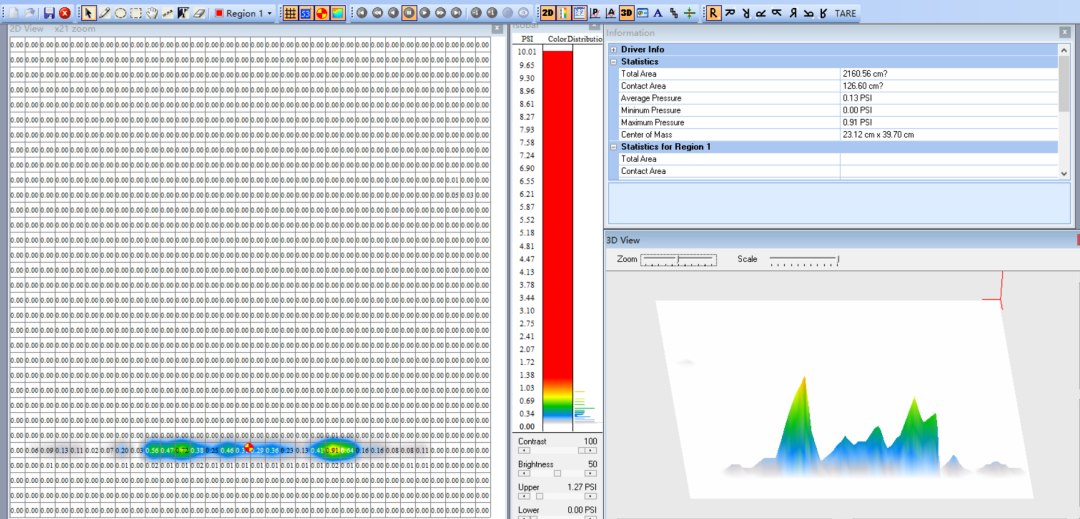
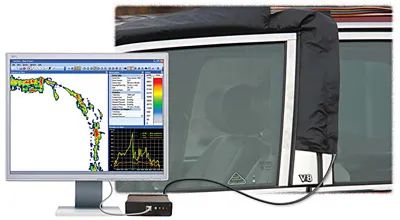
The SPI Flexible Fabric Pressure Distribution Test System uses objective tests instead of subjective tests to effectively reduce deviations. It can quickly and accurately reflect the pressure distribution between contact surfaces, and a measurement can be completed in a few minutes, which not only ensures the accuracy of the test, but also saves time, and reduces the impact of individual and environmental restrictions on the test results.
With the development of sensing technology, telemetry and remote control technology, electronic technology and computer technology, the future stress testing system will also develop in the direction of high performance, low price, remote and higher degree of automation, and better assist the automotive industry.

 The browser own share function is also very useful~
cancel
Clear records
history record
Clear records
history record
A planned and systematic training and training activities carried out by enterprises to improve personnel quality, ability, work performance and contribution to the organization.



品牌认证
2970天
已认证
