

Experimental caseShu Sole deformation of sports shoes and arch subsidence test
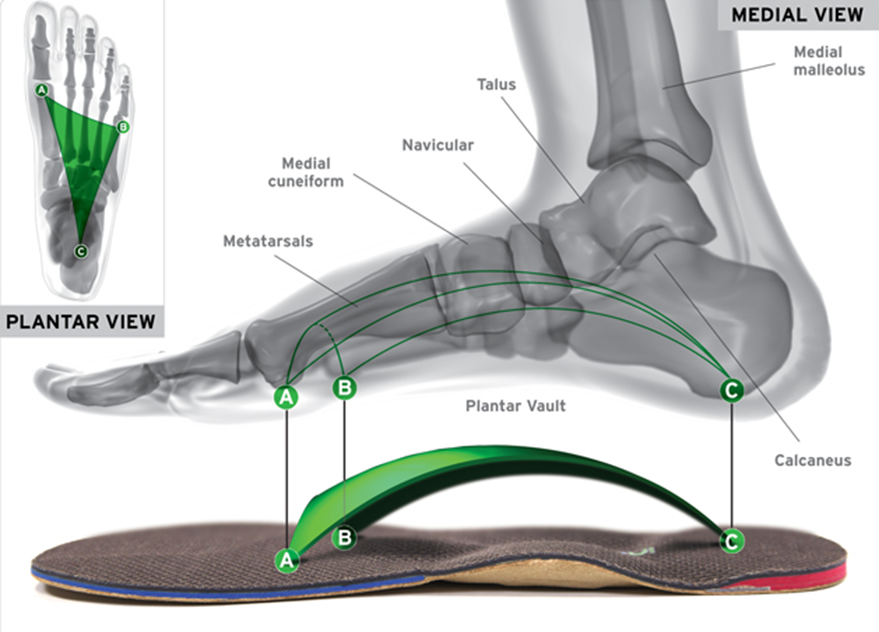
The arch of the foot is an arched structure composed of various structures such as bones, muscles, ligaments and fascia of the foot. Such a structure has many benefits for the human body, such as protecting the blood vessels and nerves in the sole of the foot from compression, reducing fatigue, and enabling the foot to better adapt to the ground. For sports, the greatest benefit of the arch is the elasticity brought by its arch. During the landing stage, the arch of the foot is compressed and deformed (that is, the arch is lowered), thereby achieving cushioning and energy absorption. During the support stage, the arch of the foot quickly returns to its original shape and releases a certain amount of elastic potential energy. The arch of the foot is like a natural shock absorber for the human body, which is more effective than any shock absorption design of running shoes.
From an overall perspective, valgus occurs when the foot lands on the ground. Whether it is the heel or the forefoot, the outside of the foot usually touches the ground first, and then the foot flips inward. This process is called valgus. Reasonable and moderate valgus is a normal phenomenon, and it is an important detail of energy absorption and buffering. When our ancestors ran barefoot, they mainly relied on moderate valgus and strong muscle ability to cushion the impact of the ground. During this process, the valgus of the foot naturally accompanies the decline of the medial longitudinal arch, further realizing the function of buffering energy absorption.
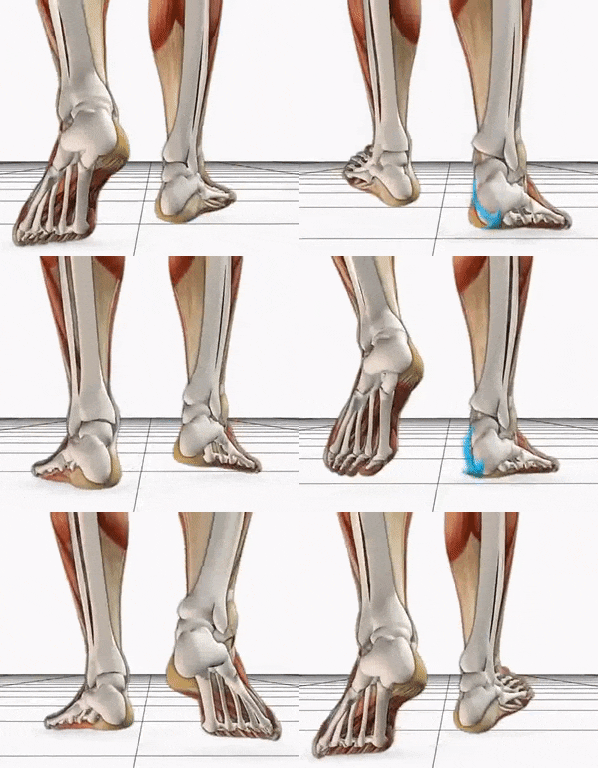
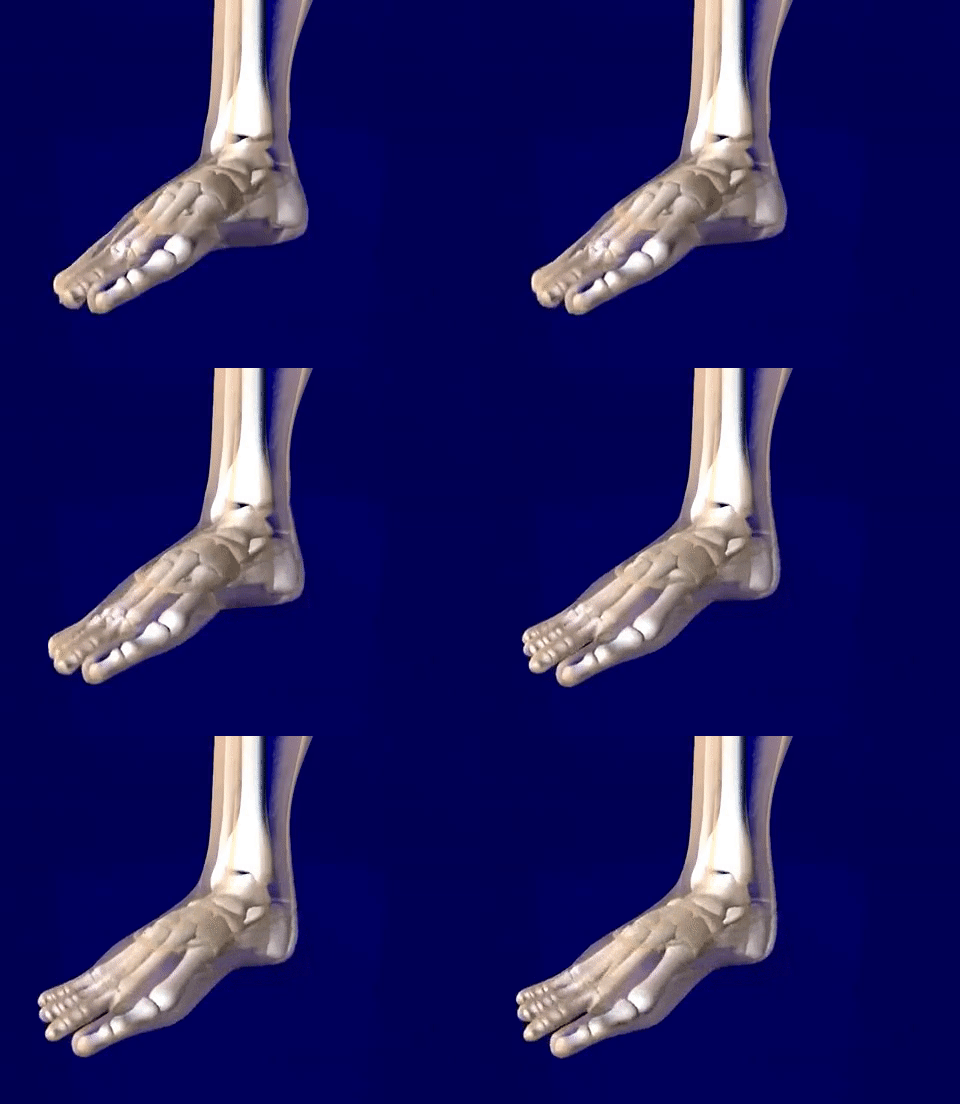
However, if the height of the arch is too high or too low, it may lead to abnormal valgus of the foot during running. If the arch is too high, it may lead to excessive valgus of the foot, causing the medial longitudinal arch to drop too much, triggering excessive stress on the medial foot and knee; while if the arch is too low, it may lead to insufficient valgus of the foot, unable to effectively absorb the impact force, increasing the risk of foot and lower limb injury. These abnormal stress conditions can significantly increase the risk of sports injuries. Therefore, maintaining a moderate arch height and valgus of the foot are important factors in preventing sports injuries. By understanding the structure and function of the arch of the foot, we can better protect the health of the foot, reduce sports injuries, improve sports efficiency and comfort, and design sports shoes suitable for different arches.
Through sole deformation testing, these performance indicators can be quantified to ensure that running shoes perform as expected under different load conditions, thus enhancing the overall sports experience of runners. Sole deformation testing can help manufacturers identify and correct problems in production, ensure that each batch of products meets design standards, and researchers can evaluate the actual performance of different materials and designs to find the best material combination and structural design.
In actual use, running shoes withstand dynamic loads, such as the periodic impact force during running. DIC technology can record the deformation during these dynamic processes, providing real and detailed dynamic deformation data. For example, in simulated jump testing, DIC can capture the deformation change of the sole from jumping to landing, evaluate its absorption and cushioning effect of the impact force, and help researchers optimize the sole design, improve the comfort and safety of running shoes.
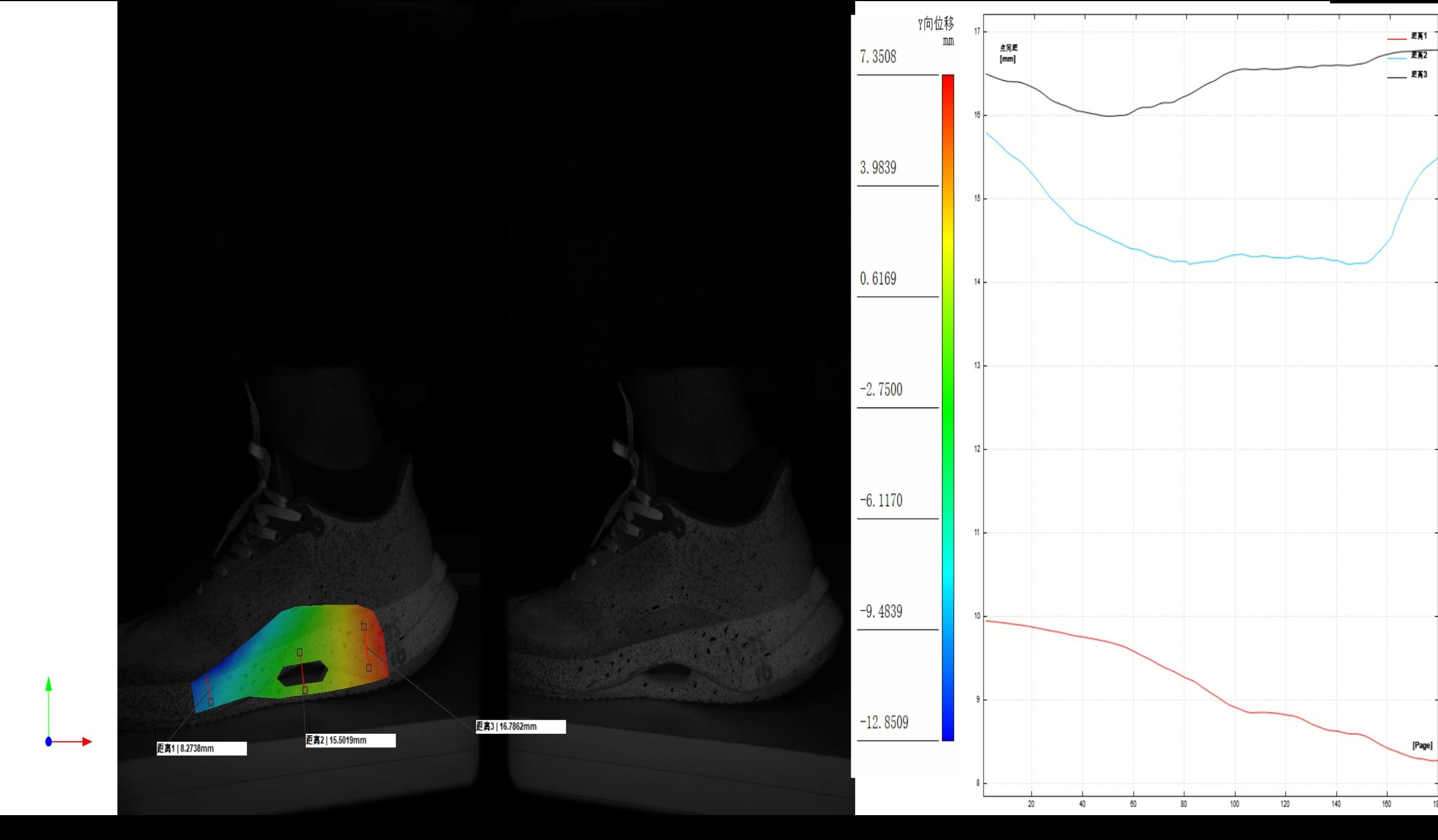
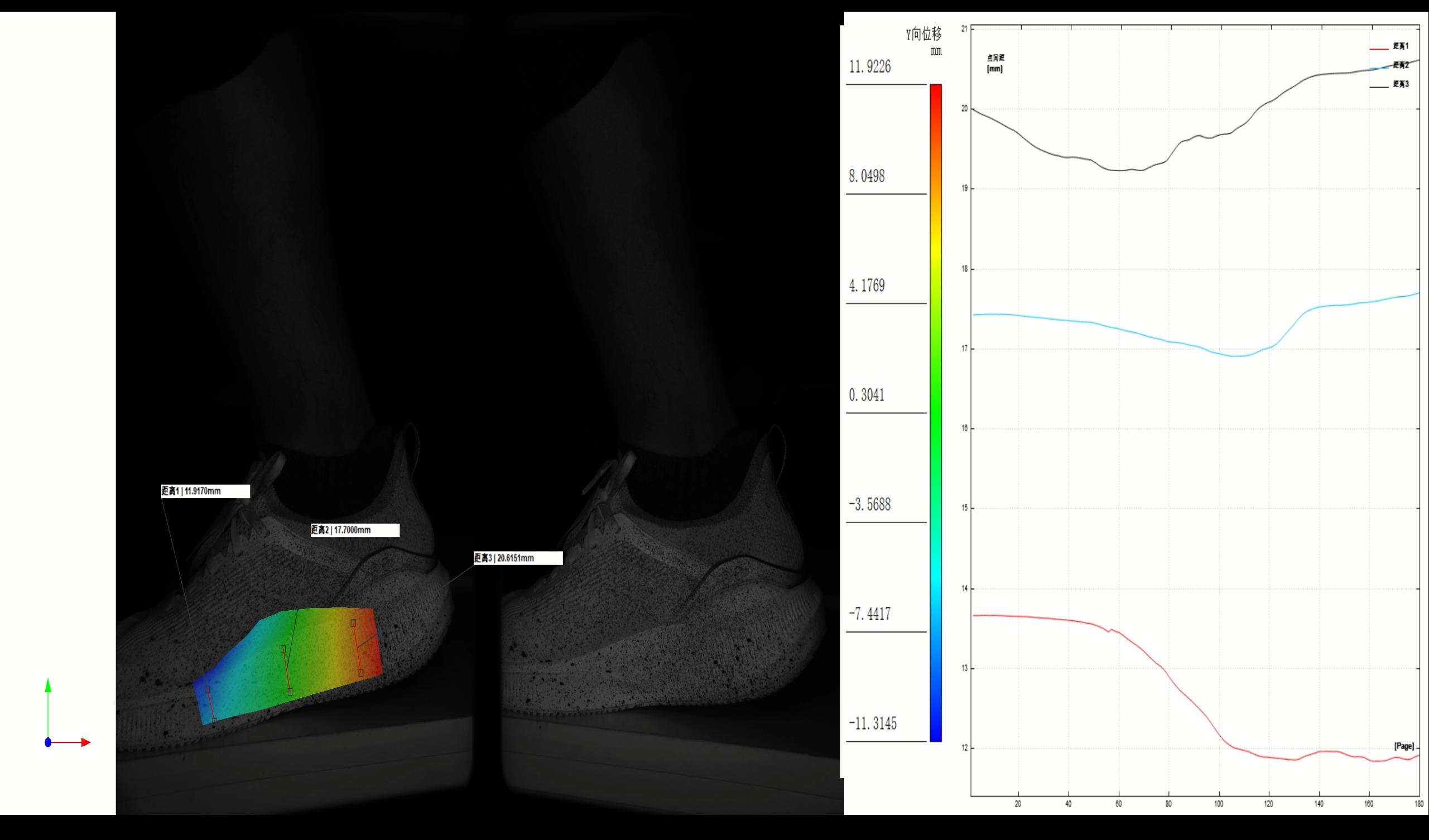
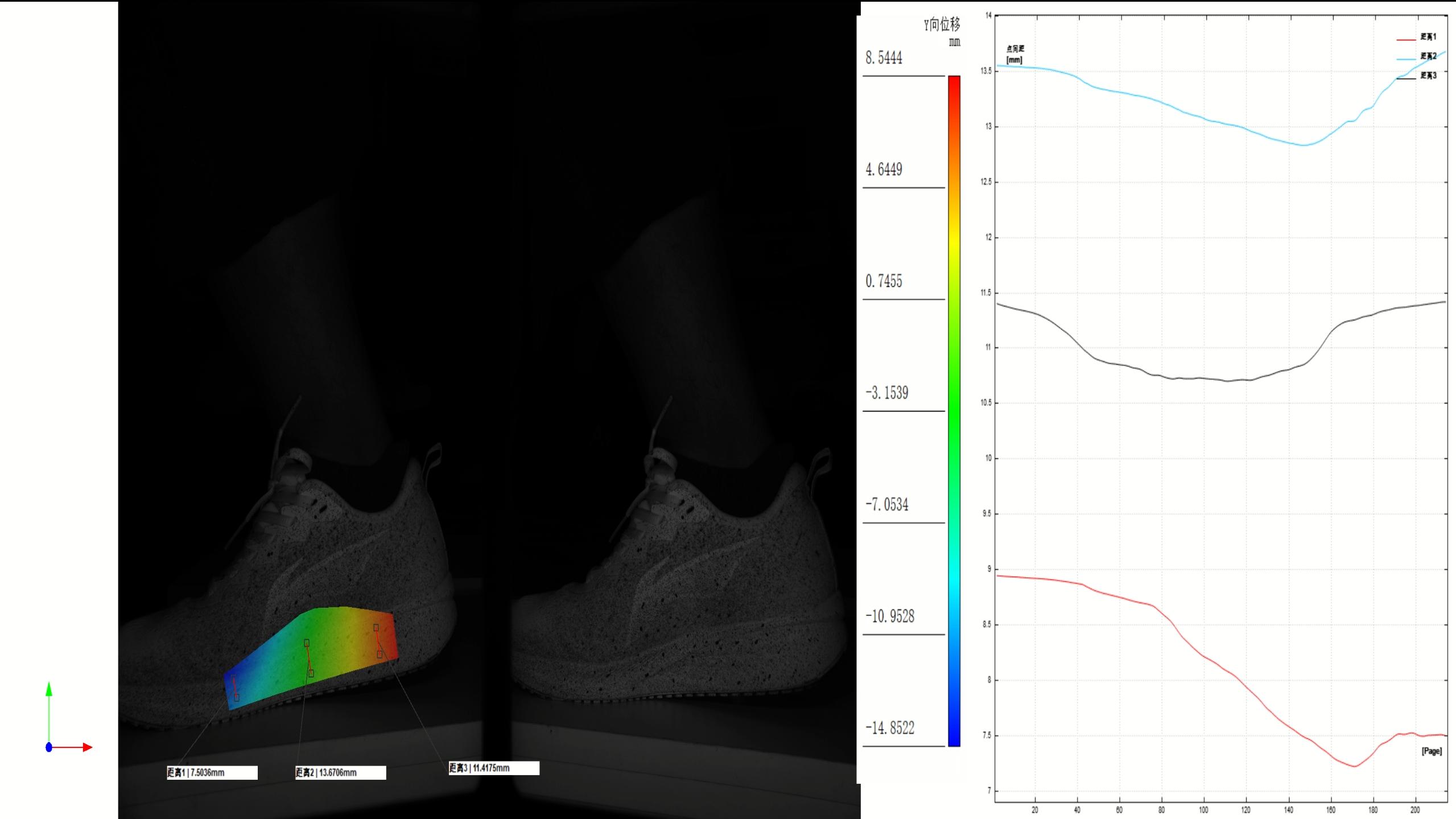
We used DIC equipment to observe the sole deformation and arch depression of three kinds of sports shoes under the same load. Among the flat-foot patients, when wearing three kinds of sports shoes, the arch of the No. 1 shoe sank 7.70mm, the arch of the No. 2 shoe sank 7.42mm, and the arch of the No. 3 shoe sank 6.55mm. It shows that the No. 3 shoe has the best support for the arch of the foot, which can effectively limit the risk of injury caused by arch collapse.

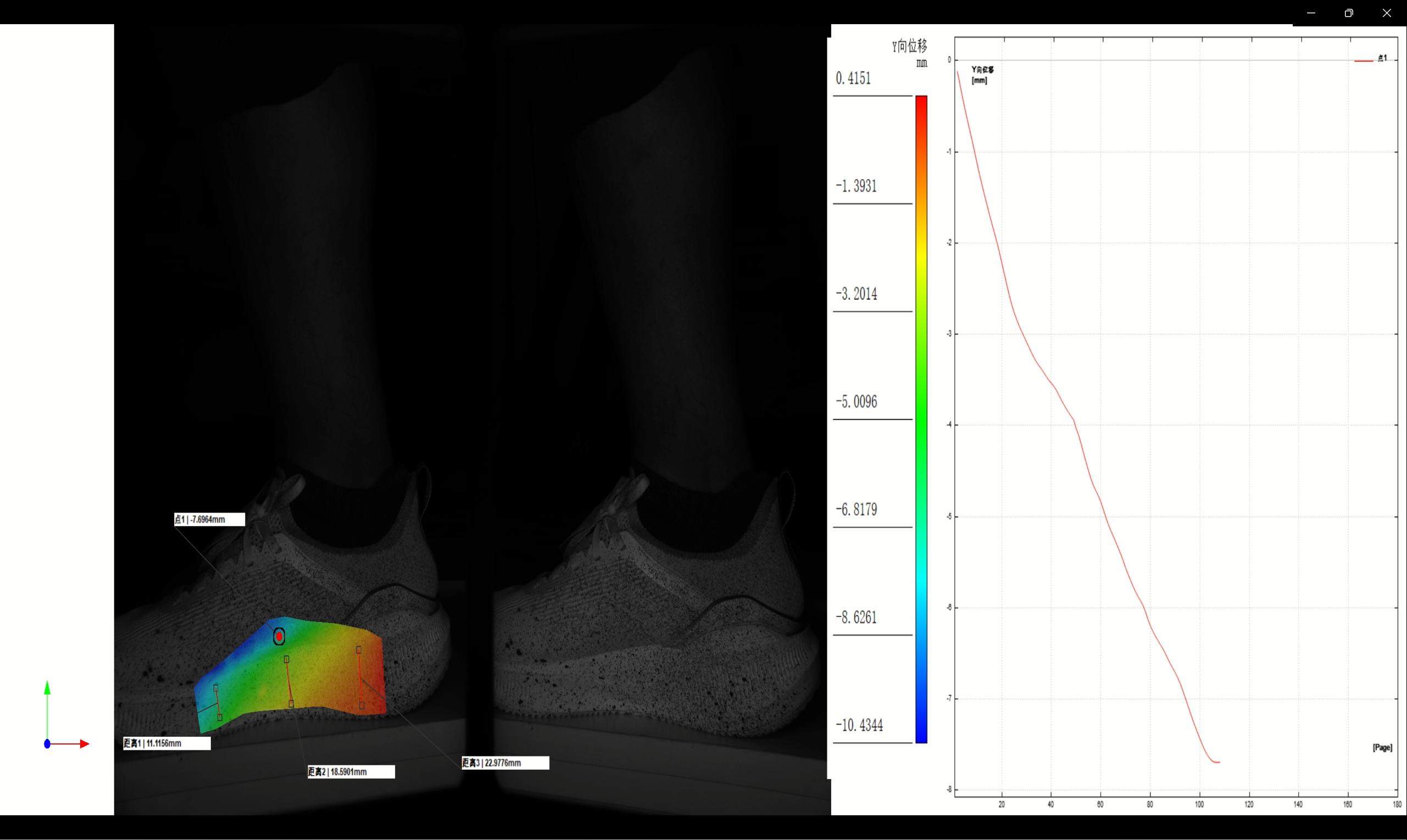
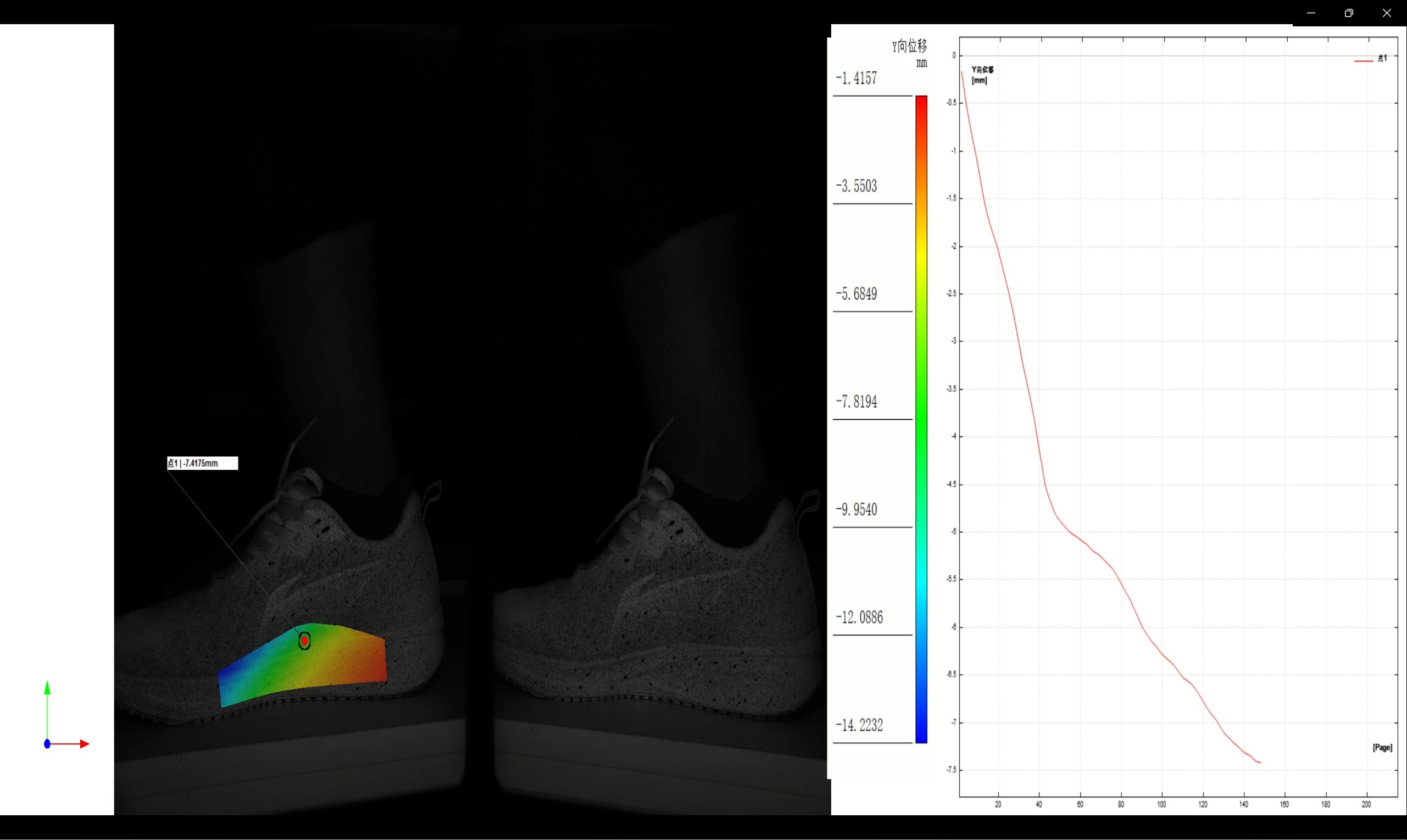
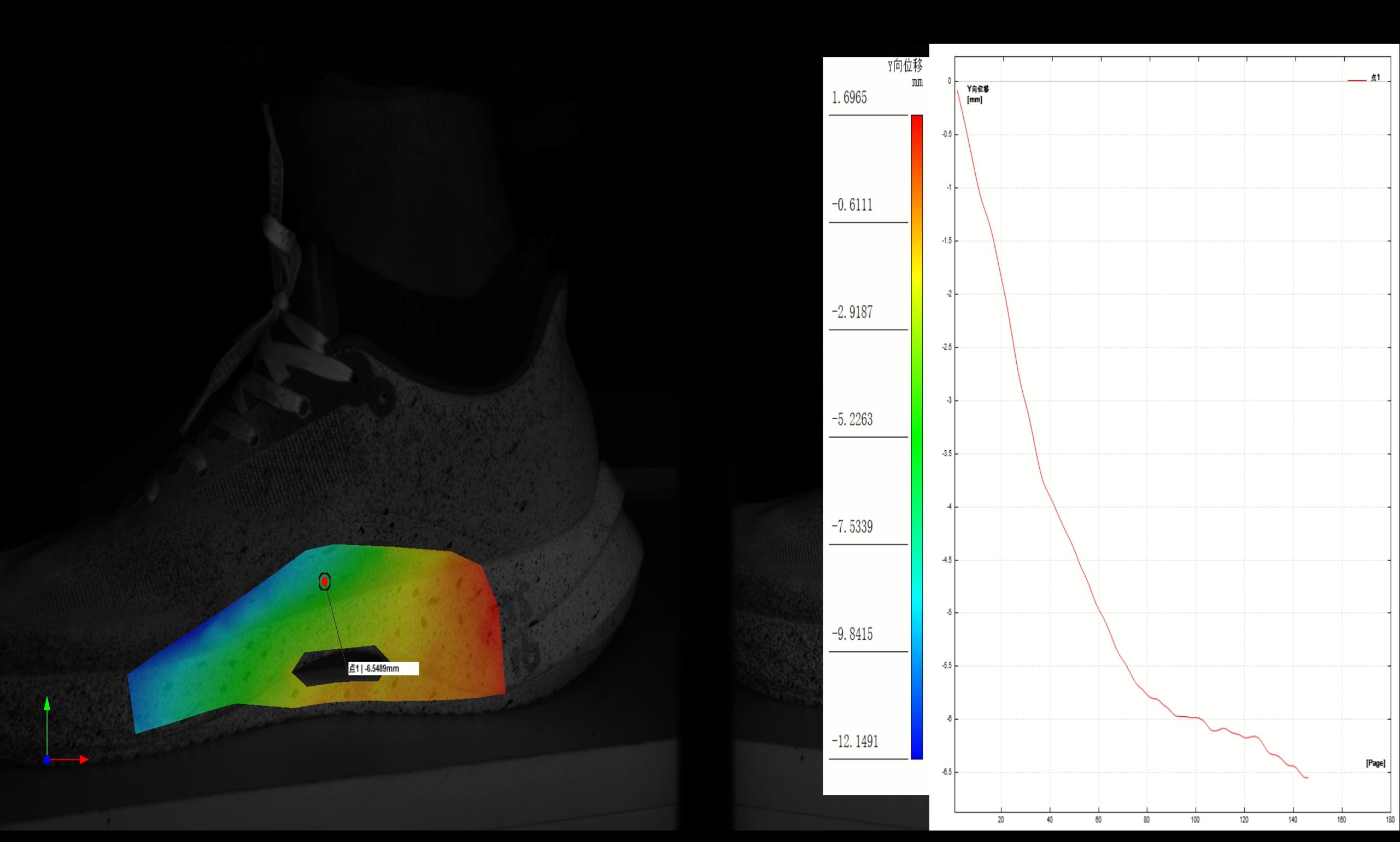
In addition, it can also be seen that the maximum deformation of the forefoot of the No. 1 shoe is 1.81mm, the maximum deformation of the midfoot is 0.52mm, and the maximum deformation of the hindfoot is 0.77mm. The maximum deformation of the forefoot of the No. 2 shoe is 1.72mm, the maximum deformation of the midfoot is 0.72mm, and the maximum deformation of the hindfoot is 0.67mm. The maximum deformation of the forefoot of the No. 3 shoe is 1.67mm, the maximum deformation of the midfoot is 1.52mm, and the maximum deformation of the hindfoot is 0.50mm.


 The browser own share function is also very useful~
cancel
Clear records
history record
Clear records
history record
A planned and systematic training and training activities carried out by enterprises to improve personnel quality, ability, work performance and contribution to the organization.



品牌认证
2970天
已认证
