From the day they were born, shoes have been working hard to protect their feet.
The earliest shoes and the current shoes are not the same thing, it is more like a "perfunctory foot bag", primitive humans wrapped animal skins on their feet, then cut the fur into leather strips, and tied the fur around the feet, so that the ancestors created the most primitive foot-binding skin (shoes) of human beings.
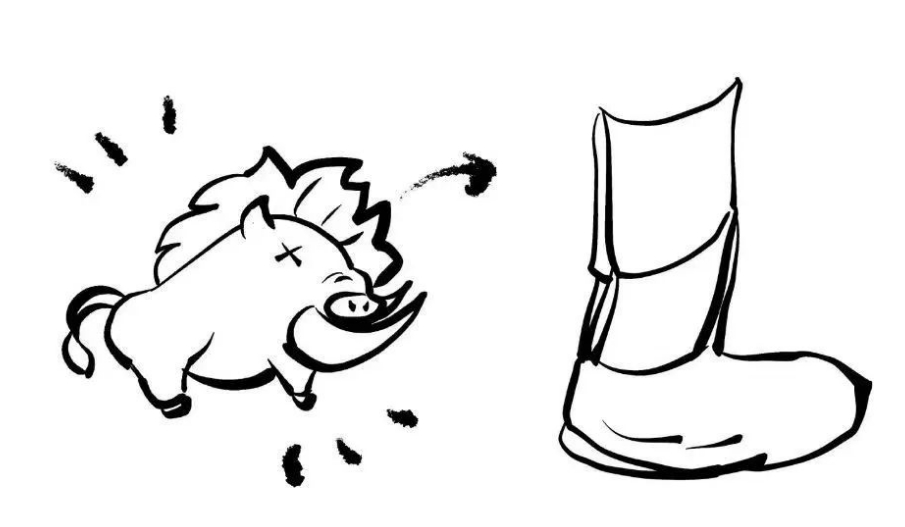
With the continuous progress of human intelligence and skills, they made full use of a wider range of shoemaking materials - plant leaves and stems, woven into straw shoes with simple tools. With the development of civilization, the production materials, styles and uses of shoes have become more and more, and they have gradually become the standard of people. People's expectations for shoes are not limited to protection and warmth.
In the 19th century, a pair of shoes with six spikes was introduced. This spike shoe was the first design for the running crowd. The spikes in the sole of the shoe can enhance the grip and stability of the shoe. However, athletes need not only good results, but also to protect their own joints and prevent injuries. After the 20th century, running shoe manufacturers also discovered the importance of cushioning for human joint protection while considering grip.
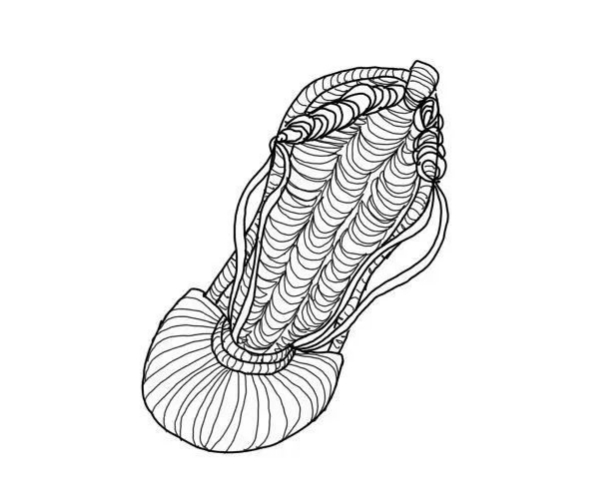
The human foot has the functions of bearing weight, buffering vibration, walking, running, jumping and other activities, and is also closely related to the physiological function of the human body, also known as the "second heart" of the human body.
Among them, the arch of the foot is the unique bone shape of the human foot, and it is also a cushioning device "installed" at the bottom of the body. When we stand, the arch of the foot provides the "foundation" for the support of our whole body bones, firmly supports our whole body weight, and allows the ankle, knee, and hip joints to be in good joint alignment.
A normal arch of the foot has strong resistance to pressure, which plays a protective role in human movement and maintains body balance and stability. Compared with fancy gimmicks and appearance, choosing a pair of suitable shoes to provide enough support and cushioning for the feet is really comfortable!
How to choose the most suitable running shoes for yourself, the rigorous and scientific approach is to conduct a gait analysis.
Gait analysis is a method of quantifying and analyzing human gait, which can help us gain a deeper understanding of the laws and characteristics of human movement. Common gait analysis methods are as follows:
01
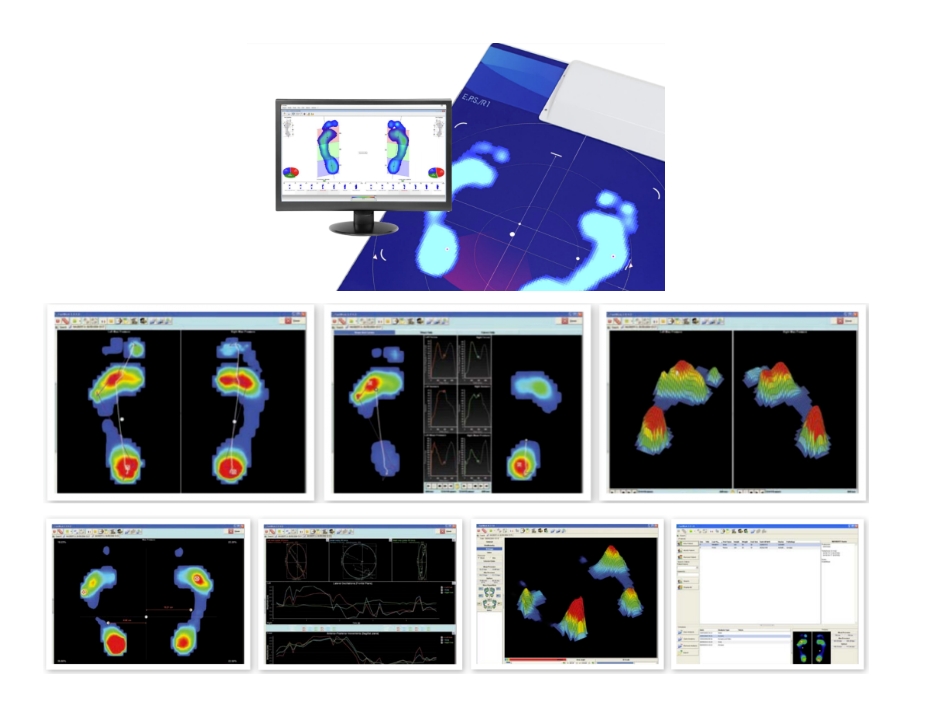
Plate Plantar Pressure Distribution Acquisition and Analysis System
The SPI Plantar Pressure Distribution Acquisition and Analysis System captures changes in foot pressure from thousands of tiny piezoelectric resistive elements spread across the sensor plate. Like standing on a scale, the sensor plate records the critical distribution patterns of pressure and pressure in the field.
It can be used to analyze static and dynamic plantar conditions and body balance ability, and is widely used in sports biomechanics research, sports shoe design, gait analysis, balance analysis, diabetic foot testing, lower limb bone and joint diseases and other clinical and scientific research fields.
02
Tekscan Insole Plantar Pressure Distribution Test System
The Tekscan Insole Plantar Pressure Distribution Test System is an in-shoe pressure measurement system that allows users to move without any hindrance and maintain the most natural gait and movement.
The accurate research data provided by the Tekscan insole plantar pressure distribution test system can be better applied in reality, such as designing and testing insoles, screening diabetic feet, evaluating shoes, and providing analysis methods for elite athletes... It can be connected with other analysis systems, including surface electromyography and motion capture systems.
03
Tekscan Trail Plantar Pressure Distribution Test System
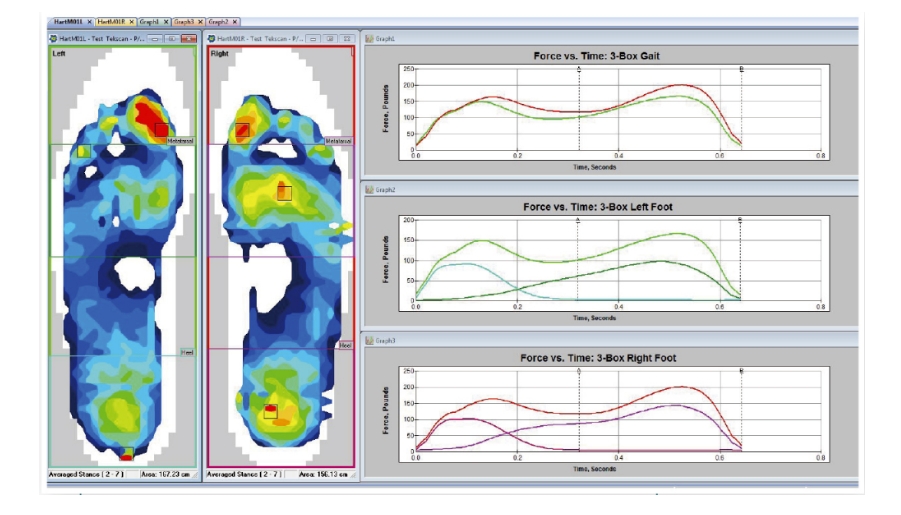
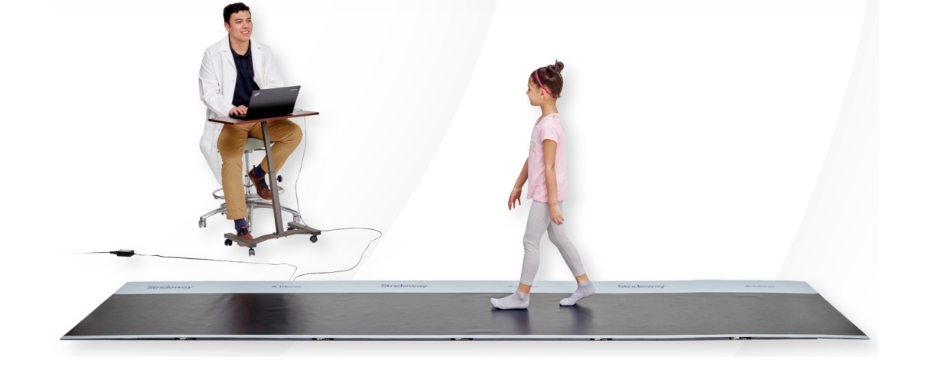
The Tekscan Trail Plantar Pressure Distribution Test System is a truly modular set of human gait analysis and measurement trails, and the ultra-thin slab can reduce the risk of falls and gait disturbances.
Gait data is displayed in a variety of ways, including graphs, pressure distribution graphs, tables, and graphs, to quickly identify asymmetries, abnormalities, and treatment outcomes. Additionally, through the database, it can assist in tracking treatment effectiveness and comparing records over time.
A portable trail that can collect multiple footprints in one walk, making it ideal for children, the elderly, people with walking sticks or gait impairments. Automatic detection, labeling, and zoning allows you to quickly perform gait analysis.
04
3D motion capture system
Three-dimensional motion capture system is a motion capture through optical (infrared light) technology implementation. Optical motion capture generally requires pasting reflective points at key positions of the target object, commonly known as Marker points, using high-speed infrared cameras to capture the movement trajectory of reflective points on the target object, so as to reflect the movement of the target object in space.
Qualisys 3D motion capture system is based on sub-millimeter precision industrial-grade lenses, coupled with QTM software with running posture analysis plug-in, to output a walking motion technical analysis report with one click.
This report includes video and full-body biomechanical analysis data: body tilt/rotation angle, elbow and wrist motion trajectories, pelvic height, hip angle, knee angle, foot touchdown, and more.
05
3D force gauge
The three-dimensional force table system can detect the pressure between the plantar and the supporting surface (vertical, left and right, front and rear) when standing or walking, running and jumping. By measuring and analyzing these pressure data, biomechanical information reflecting the structure, function and even the coordination of the lower limbs of the human body can be obtained.
At the same time, the three-dimensional force table system can detect the pressure center curve of the normal person and the patient when they stand on the ground during walking, and compare and analyze the gait of the normal person and the patient with the graphics and data detected by the force table system, so as to find out the problems existing in the patient when walking, identify the factors affecting the gait, and evaluate and make recommendations for the patient's rehabilitation plan.
The value of gait analysis is not just in preventing injuries. Correct gait can have a greater impact on athletic performance than months of training.
Therefore, whether you are a professional athlete or not, a regular gait analysis is a great way to relieve daily pain. It will uncover your stride length, unusual head or arm position, and any other issues that are hidden in your walking patterns. This analysis can help find the right way to move your body in alignment, the right footwear, and running routine to keep your body in top shape, making running and all sports easier.



 The browser own share function is also very useful~