

The chest affects the effectiveness of the seat belt. The fuller the chest, the more likely it is to be injured in a car accident?
Since the birth of the automobile, human beings seem to be unable to completely avoid traffic accidents. According to statistics, the number of traffic accident deaths in our country has exceeded 100,000, which is no less than or even more than a tragic war. The car seat belt is undoubtedly one of the greatest inventions of mankind, because it has saved at least 1 million lives in nearly half a century.

As one of the most life-saving features in a car, the correct use of seat belts can increase the occupant's and driver's chances of survival in all potentially fatal traffic accidents by about 60%. In a head-on crash, the correct wearing of seat belts can reduce the death rate by 57%, in a side crash, the death rate can be reduced by 44%, and in a rollover, the death rate can be reduced by 80%.
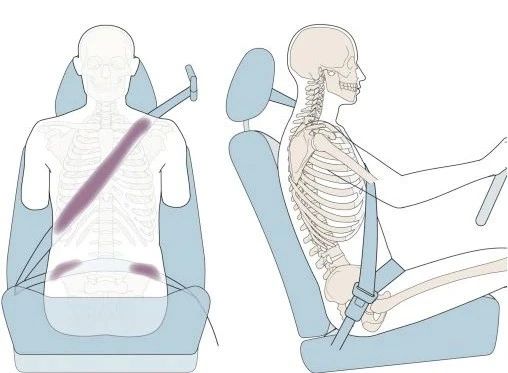
In 2013, the National Highway Traffic Safety Administration released a survey analyzing nearly 50 years of car accident data and came to a startling conclusion: For young female drivers between the ages of 21 and 30, they are 25.9% more likely to die in equivalent crashes than men of the same age. One of the key reasons for this result is that young women often do not wear seat belts, and are prone to being thrown out of the car and killed in a car accident.
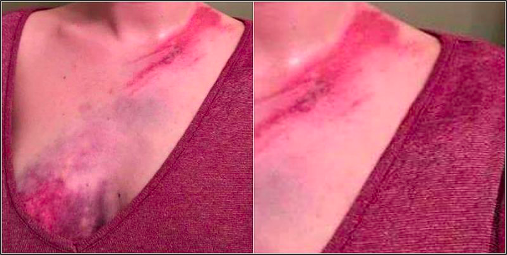
Most female drivers report that the "∠" type of seat belt is extremely uncomfortable to wear for a long time, and the reason for this discomfort is the male-centered design concept of the seat belt. They don't even realize that the crash test dummies used in the seat belt effectiveness checks are made of male models.
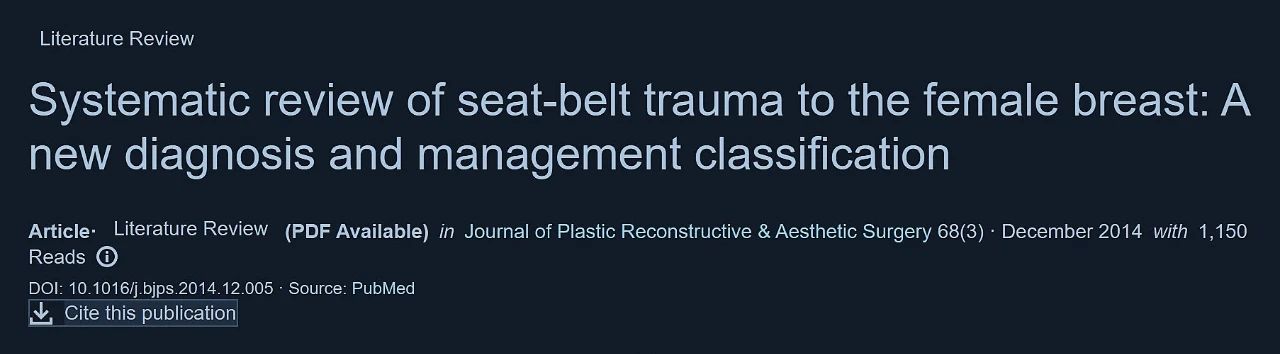
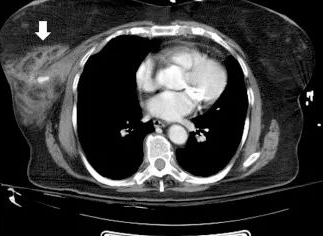
In the medical paper A Systematic Review of Female Seat Belt Trauma: A New Diagnostic and Management Classification, 31% of patients reported experiencing pain, swelling, open wounds, or local bleeding immediately after a road traffic accident. 69% of patients experienced delayed onset of symptoms, ranging from 3 weeks to 5 years, ranging from a visible mass at the trauma site to worsening fissure deformities, and most late reports were diagnosed with fat necrosis.
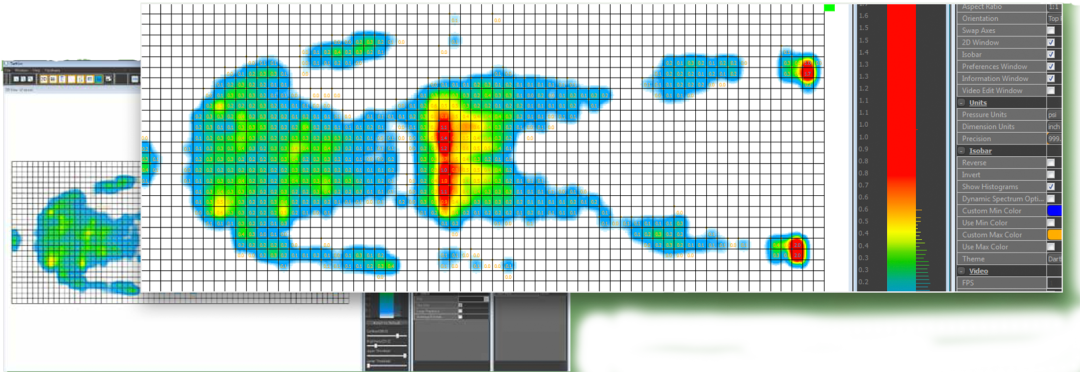
The American SPI Tactlius Seat Belt System is a professional seat belt pressure distribution test system that can measure the pressure distribution on two contact surfaces, and can measure the pressure state between the car seat belt and the human body in real time, so as to make a judgment on the performance of the seat belt. According to the collected data, the unreasonable design of the seat belt can be improved and optimized.
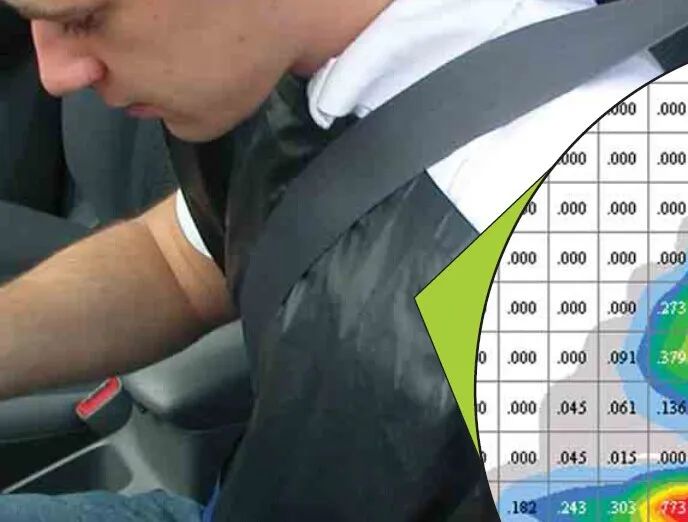
The SPI Tactlius Seat Belt System effectively reduces bias by replacing subjective testing with objective testing. It can quickly and accurately reflect the pressure distribution between the subject and the seat belt, and a single measurement can be completed in a few minutes, which not only guarantees the accuracy of the test, but also saves time and reduces the impact of individual and environmental restrictions on the test results.

 The browser own share function is also very useful~
cancel
Clear records
history record
Clear records
history record
A planned and systematic training and training activities carried out by enterprises to improve personnel quality, ability, work performance and contribution to the organization.



品牌认证
2970天
已认证
