
Site title

Revealing the revolutionary breakthroughs in future vision technology
The headset VR & AR era has arrived. In order to solve the problem of headset comfort, Shanghai Fengyou has launched the Pressure Films head VR pressure distribution measurement system, which can help solve the comfort problem in the research and development of headset equipment manufacturers.
2024-02-19 16:47:39
Recently, a video of Vision Pro has made many digital bloggers crazy. In the video, wearing Vision Pro to mop the floor can be as fun as playing a game.
So, what exactly is Vision Pro?
At the WWDC conference in June last year, Apple released an MR headset called Vision Pro, which was officially launched in the United States on February 2 local time, instantly detonating the domestic and foreign digital technology zones.
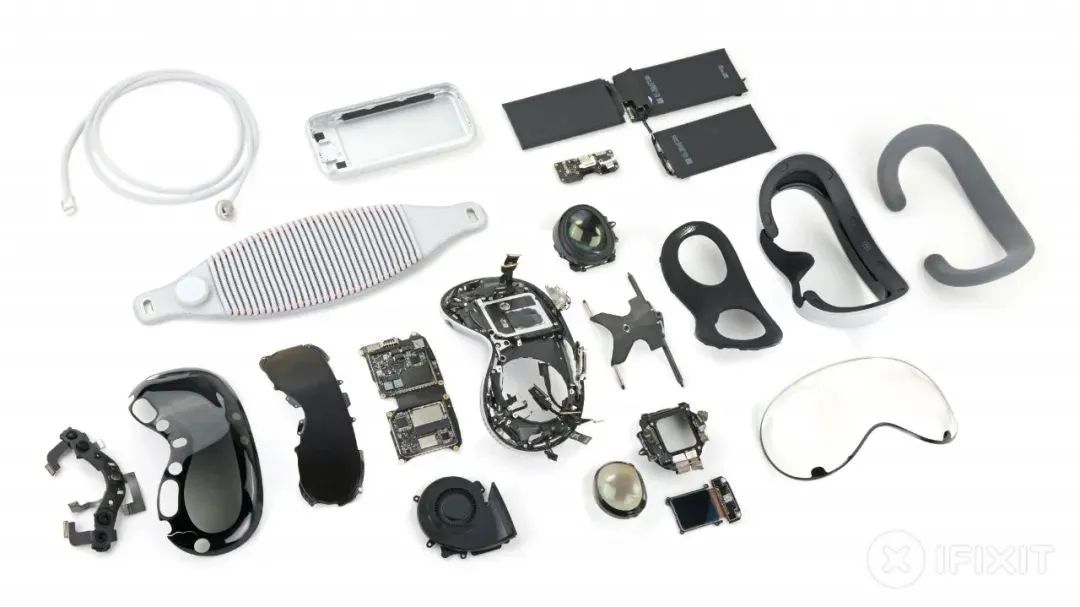
Some people may be curious, this AR and VR have not yet figured out, why is there another "MR"?
VR can create a brand-new virtual environment that makes people feel as if they are there, which can be used to play games, watch movies, etc., allowing users to experience the virtual world more realistically.
AR can create virtual information content based on the real world. For example, when you put on AR glasses, you can not only see the real environment, but also create a virtual screen on your desk or in the air, achieving overlap between the real environment and virtual objects.
MR (Mixed Reality) refers to the combination of VR and AR, referring to the new visual environment created by merging reality and virtual worlds.
In the use of virtual reality technology products, head mounted display is currently the most common way to experience, as is Vision Pro, but designs that are too heavy or have uneven pressure distribution can make users feel uncomfortable. When designing a head mounted display, designers need to consider a variety of factors to ensure the comfort and safety of the product.
Material selection, structural design, pressure distribution optimization, user experience studies, safety considerations, and ergonomics are key factors in designing lightweight, comfortable, and safe headsets.
· Material selection
A Vision Pro weighs about 600-650g, which is equivalent to putting a bottle of mineral water (500ml) on your head when used. After spending half an hour a day, cervical spondylosis has not run away, so there is still a way to go in the lightweight material of Vision Pro in the future.
Choosing the right material is the key to designing a lightweight headset. Common headset materials include carbon fiber, aluminum alloy, plastic... These materials have low density and good strength, which can reduce weight while maintaining sufficient durability.
· Structural design
A lightweight and comfortable headset should be designed to be as simple as possible to avoid excessive parts to reduce weight. At the same time, the structure should be reasonably arranged so that the pressure can be evenly distributed on the head to reduce local pressure.
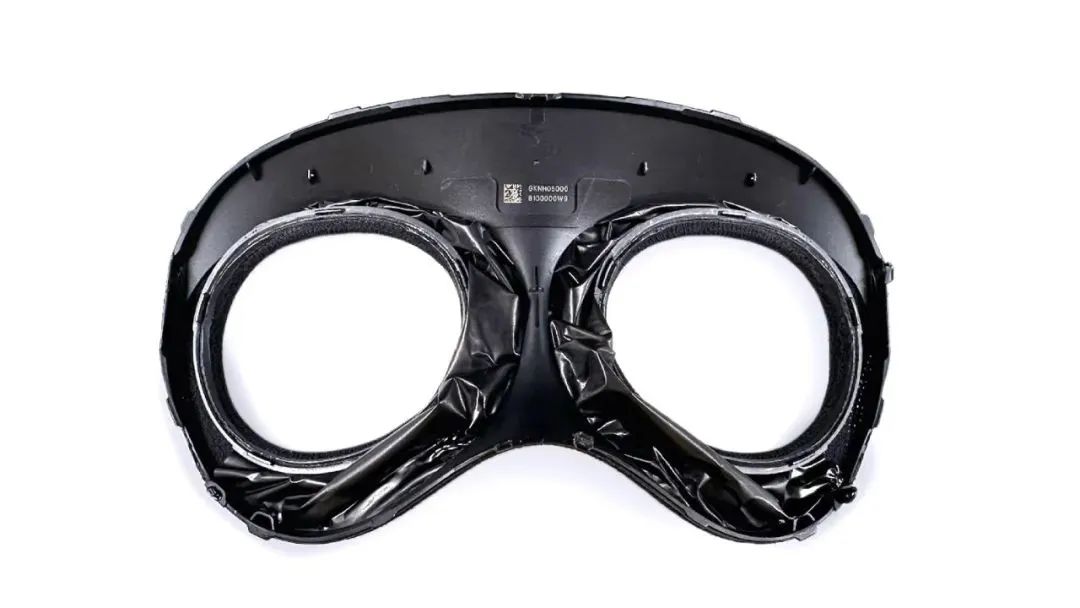
According to the world's first Apple Vision Pro disassembly video released by iFixit, a global professional disassembly powerhouse, it can be seen that some of the materials used to fit the face of the Vision Pro are mainly wrapped in knitted fabrics, which are fixed by plastic buckles.
After removing various knitted fabric pads, Vision Pro used a material similar to "elastic plastic film" to fill the gaps in the knitted fabric, similar to a "superhero" mask, in addition to giving knitted material support, it can also better fit the user's face.
· Pressure distribution optimization
Virtual reality headsets need to be worn for a long time and are in close contact with the user's face. Reasonable pressure distribution can help reduce facial stress and significantly improve user comfort.
Uneven pressure distribution can lead to localized pressure concentrations, interfere with the user's eye movement, or cause facial pain and discomfort, which can reduce the user's experience and acceptability.
For example, the Vision Pro single-loop strap presses the position of the Sun's acupoint, which is bound to make people feel uncomfortable. When you take off the headset, it will also leave a red mark on the wearer's face. Although the double-loop strap is much more comfortable than the single-loop, it comes at the cost of making your hairstyle worse.


PressureFilms head-mounted flexible fabric pressure distribution testing system consists of flexible fabric sensors, data receivers, and PF-software acquisition and analysis software.
When pressure is applied to the face, these sensors instantly record and display images of the pressure distribution of the face. By detecting the pressure distribution of the face, it can be used by healthcare professionals, researchers and product manufacturers to evaluate the comfort and effectiveness of their products, as well as to diagnose some facial diseases and pain. Designers can improve the user experience of the headset by optimizing the pressure distribution.
The technicians of Shanghai Fengyou Biomechanics Laboratory used the PressureFilms head-mounted flexible fabric pressure distribution test system to conduct pressure distribution tests on the headset. If you are interested, please contact us for details.
· user experience research
Understanding the pressure distribution when the user wears the headset is crucial for designing a comfortable headset. In addition to the data support of the pressure distribution sensor, user feedback and data can also be collected through methods such as user experience research to guide design optimization.
· Security considerations
In addition to comfort, the design of the headset also needs to consider safety. For example, avoid sharp edges, reduce the force set on the head, etc.
· Ergonomics
The design of the headset should comply with ergonomic principles, taking into account the shape and size of the human head to ensure the comfort of wearing. If you want to make the Vision Pro from the niche to the masses, non-sensory wearing may be the next issue that Apple needs to focus on.
PressureFilms head-mounted flexible fabric pressure distribution test system The soft and foldable material allows the sensor to better fit the curvature of the human body. The real-time transmission of pressure distribution data can assist in optimizing the product to fit more ergonomically. PressureFilms head-mounted flexible fabric pressure distribution test system can also be applied in many fields, such as: medical: pressure garments for facial scar treatment, facial brackets, masks and respiratory equipment;
Sleep: beauty pillow, sleep mask, sleep respirator, head-mounted sleep monitoring equipment;
Beauty: facial massager, skin tester, etc.

Today's Vision Pro is more like a preview of the future, rather than the future itself. There is still a lot of work to be done in the development of head mounted displays. Lightweight materials, pressure distribution optimization, user experience research, safety considerations and ergonomics are the key factors in designing comfortable and safe headsets. Designers need to comprehensively consider these factors and perform multiple optimizations in order to design headsets from the niche to the public and meet user requests.
- End -

 The browser own share function is also very useful~
More recommendations
About us
Search
cancel
Clear records
history record
Clear records
history record
A planned and systematic training and training activities carried out by enterprises to improve personnel quality, ability, work performance and contribution to the organization.
Quick links

Contact us


©2019 Adaptive Template—Software Copyright
This site is built using T Cloud

品牌认证
2970天
已认证

choose an area code