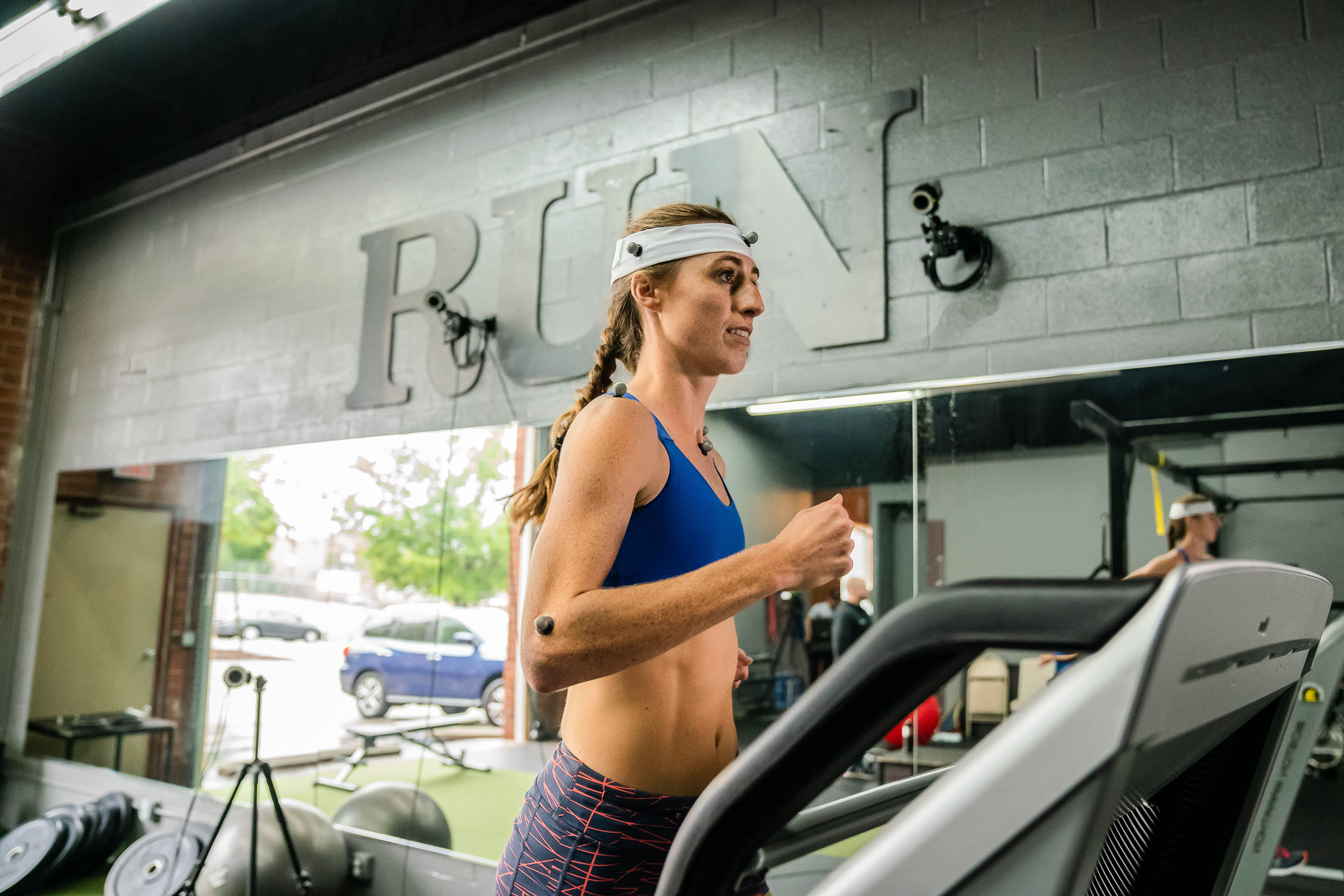
Motion capture technology is an advanced technology that uses sensors to capture the movement trajectories of the human body in three-dimensional space, convert these motion trajectories into discrete motion data, and then use this data to drive the movement of the mannequin model. For sports, every movement can be analyzed in a freeze frame. For example, why some long jumpers can jump very far, and some cannot meet the standard no matter how hard they train, most people will say that it is because of the difference in talent, and with motion capture technology, these problems can be easily solved. The implementation of motion capture technology involves using sensor systems to track the position changes of the athlete's body in space, and then converting these changes into digital motion data. This data can be accurately analyzed to reveal the details of the athlete's movement characteristics, power output, and posture. This provides valuable information for coaches and sports science researchers, which can help to gain a more comprehensive understanding of the athlete's athletic performance. In the case of pole vaulting, motion capture technology can analyze every tiny movement of each athlete's take-off, flight, and landing. This detailed analysis helps to identify the advantages of successful jumpers, such At the same time, for those athletes who cannot meet the standard, motion capture technology can reveal the shortcomings in their movements and provide guidance for the development of targeted training plans. Through motion capture technology, we can understand the differences between athletes more scientifically and develop more personalized and accurate training programs based on individual characteristics. The wide application of this technology not only improves the effectiveness of sports training, but also provides a powerful tool for solving the problem of differences in sports performance, thus moving away from the model of relying solely on empirical training and traditional teaching, and realizing the data and scientific training. Specifically, this method is reflected in the following aspects:

athletic action
Variety of Simulated Virtual Training Scenes: Motion capture technology can accurately capture athletes' movements in virtual training scenes, which allows virtual training scenes to simulate not only standard training venues, but also a variety of competition scenarios in a virtual environment, such as various pitches, venues and climatic conditions, enabling athletes to better adapt to various actual competition situations. Real-time Adjustment and Feedback: Motion capture systems can be combined with real-time feedback systems, enabling coaches to adjust training scenes and requirements in real time. Athletes' performance in the virtual environment is immediately fed back, enabling timely adjustments and improvements in movements. This real-time adjustment and feedback mechanism helps to improve training results and make training more targeted.
Sports technical analysis
Detailed analysis of the motion chain: The motion capture system can accurately capture the movement trajectory, speed and angle of each joint of the athlete. This detailed data allows the coach to deeply understand each link in the motion chain, thus more accurately analyzing and improving the technical details, improving the accuracy and efficiency of the movement.
Posture analysis and body mechanics models: Motion capture systems combined with body mechanics models allow for more in-depth posture analysis. Through this analysis, joint load, stability, and biomechanical characteristics of movement can be evaluated. This helps coaches develop more scientific training programs and prevent potential sports injuries.
Accurate quantitative evaluation
Athlete Group Comparison: The high-precision data generated by the motion capture system allows for a detailed quantitative assessment of an athlete's performance. Coaches can compare an athlete's performance with other athletes within the same team or field. Through this comparison, the strengths and room for improvement of each athlete are found, providing goals and guidance directions for the overall team. Evolutionary Training Goals: The motion capture system allows coaches to set evolutionary training goals. By continuously adjusting goals, athletes can maintain the challenge of high-difficulty training and promote long-term improvement of skills. This personalized training goal helps to stimulate the athlete's motivation and interest in learning.
Injury prevention and rehabilitation
Personalized rehabilitation plan: The high-precision data from the motion capture system allows coaches and rehabilitation professionals to develop personalized rehabilitation plans. By monitoring athletes' movement patterns during injury, rehabilitation plans can be tailored to individual needs, ensuring the relevance and effectiveness of the rehabilitation process.
Biofeedback: Motion capture systems combine biofeedback technology to provide athletes with real-time physiological data. For example, combined with data on heart rate and muscle activity, rehabilitation intensity can be adjusted to ensure that athletes are both safe and efficient during rehabilitation.
Sports Science Research
Big data analytics: The large amount of data generated by motion capture systems provides a rich source of information for research. Sports science researchers can use this data to conduct big data analytics to reveal movement patterns, training effectiveness, and potential optimization strategies. This provides deeper understanding and empirical support for the development of sports science.
Deep learning applications: Motion capture data can be used to train deep learning models to predict athlete performance, evaluate training effectiveness, and more. This is driving the combination of sports science and artificial intelligence, opening up new possibilities for future research and technological development. Deep learning models can discover patterns and correlations from vast amounts of data, providing smarter decision support for sports training.

The multi-level application of motion capture technology in sports training not only provides individual athletes with a more refined and scientific training experience, but also promotes the development of the entire field of sports science. This comprehensive and in-depth application is not only a technological innovation, but also a profound reflection on the nature of sports training and competitive sports. With the continuous advancement of technology, the application prospects of motion capture technology will continue to expand, providing athletes, coaches and researchers with more comprehensive, accurate and personalized tools.
In the future, we can expect motion capture technology not only to make greater breakthroughs in professional fields, but also to play a wider role in public fitness, rehabilitation and other fields. This will enable sports training to gradually move towards a more intelligent and humanized era, enabling every sports enthusiast to benefit from the training advantages brought by technological innovation.
Overall, the comprehensive application of motion capture technology is not only an innovation in training methods, but also a deep exploration of the understanding of sports and physical functions. This trend of in-depth thinking combined with technology will bring more possibilities to the future sports field, and continue to promote the development of sports training in a more scientific, efficient and innovative direction.



 The browser own share function is also very useful~