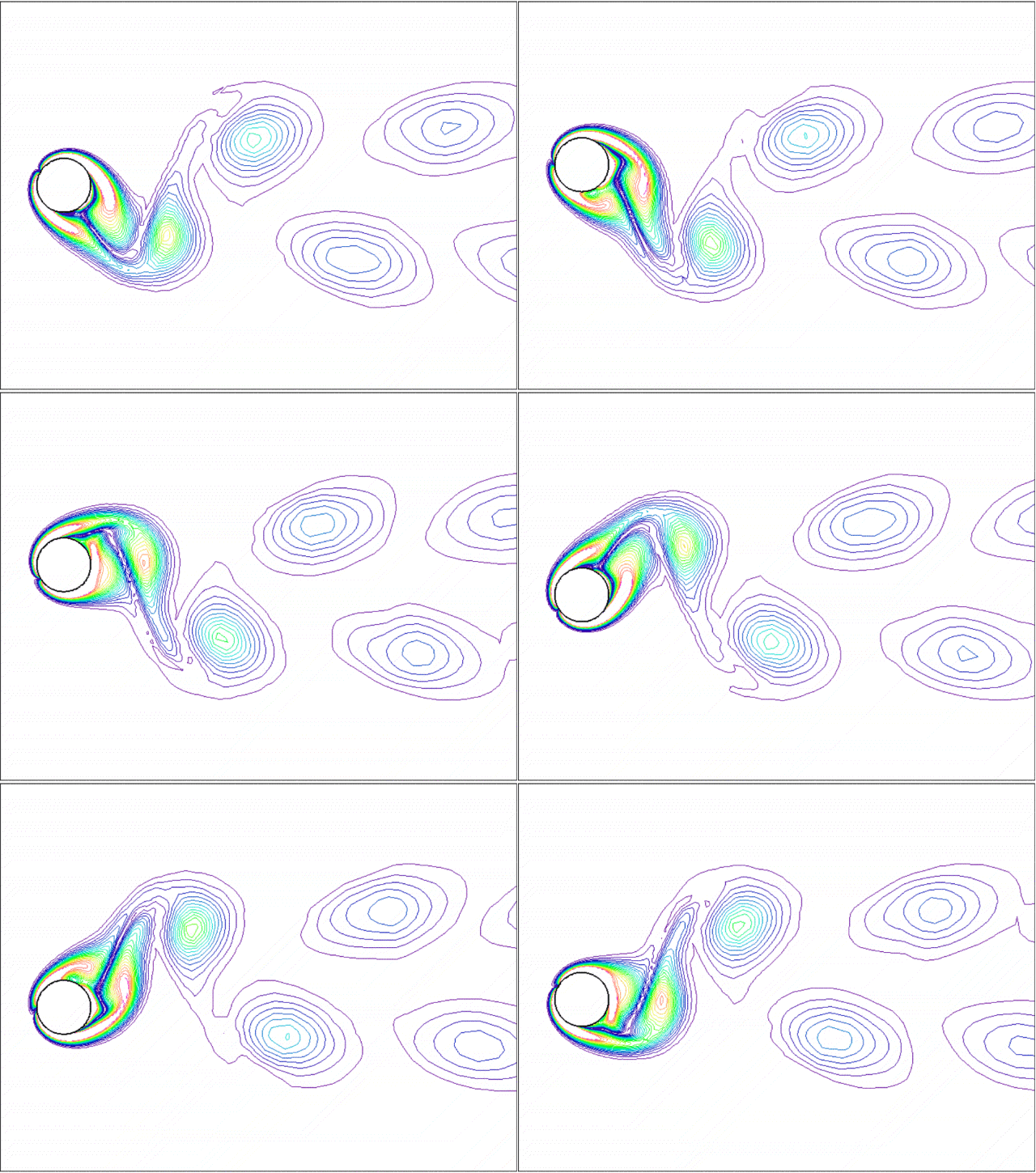
Streamlined objects in a stable fluid will periodically alternately generate vortices on both sides of the object that break away from the surface of the structure. This phenomenon is called "Karman vortex street". Karman vortex street is a complex hydrodynamic phenomenon that usually occurs when the fluid bypasses a cylinder or other asymmetric object. As the fluid bypasses the object, the vortices alternately generate and fall off on both sides of the object, forming a regular vortex arrangement.

When the wind blows over structures such as towers, chimneys, power lines, etc., the Karman vortex street phenomenon will obviously appear. Especially when the frequency of the vortex shedding is close to or consistent with the natural frequency of these objects, it will trigger the resonance of the object. This resonance phenomenon is called "vortex-induced vibration". Vortex-induced vibration can cause violent vibrations of structures and even cause structural damage in extreme cases.
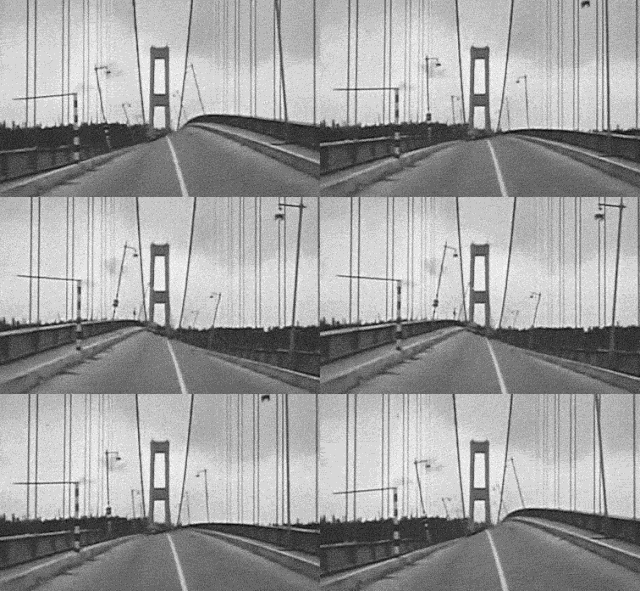
A well-known example is the Tacoma Narrows Bridge in the United States, which collapsed in the 1940s due to resonances caused by the Carmen Vortex Street. The wind speed that caused the bridge to collapse was only magnitude 8 (17.2 to 20.7 m/s). The collapse of the Tacoma Narrows Bridge prompted engineers to pay more attention to the effects of fluid dynamics when designing and building large structures.
In modern engineering, by optimizing the design, using spoilers and adopting advanced monitoring technologies, the hazards of Karman vortex street and vortex-induced vibration can be effectively reduced to ensure the safety and stability of the structure. For the tower of a wind turbine, the vortex-induced vibration is shown in the following figure:
Changing wind conditions, complex operating environments, wear and fatigue of high-speed rotating components, and more are all challenges that wind turbines need to face. The 3D visualization and accuracy of the Qualisys 3D Motion Capture System system helps optimize wind turbines, providing comprehensive support for tower design, monitoring, and maintenance.
As the key supporting structure of the entire wind power system, the stability and safety of the wind turbine tower are crucial. The tower needs to withstand various stresses such as wind, vibration and equipment weight, so it is particularly important to accurately monitor and analyze it.
Qualisys System Features
Perfect fit for inland and offshore turbines
Simple and cost-effective solutions
Identify risk factors and make immediate decisions
3D visualization and real-time data
Series connection is easy to install
100 meters + range up to millimeter precision
Works well in harsh environments
Wind turbine towers are subject to changing wind and mechanical loads during operation, and these factors can cause the tower to vibrate and deform. Qualisys motion capture system is able to monitor the vibration and deformation of the tower in real time by installing marker points on the tower and using high-precision cameras to capture the movement of these marker points. This data helps engineers understand the dynamic behavior of the tower under different load conditions, identify potential structural problems, and ensure the stability and safety of the tower.
By analyzing the data captured by the Qualisys system, engineers can better understand the stress and deformation of the tower under various environmental conditions. This information is critical to optimizing the tower design, and using this data for finite element analysis and other simulations to optimize the tower's structural design so that it can more effectively withstand wind and other loads and extend the service life of the tower.
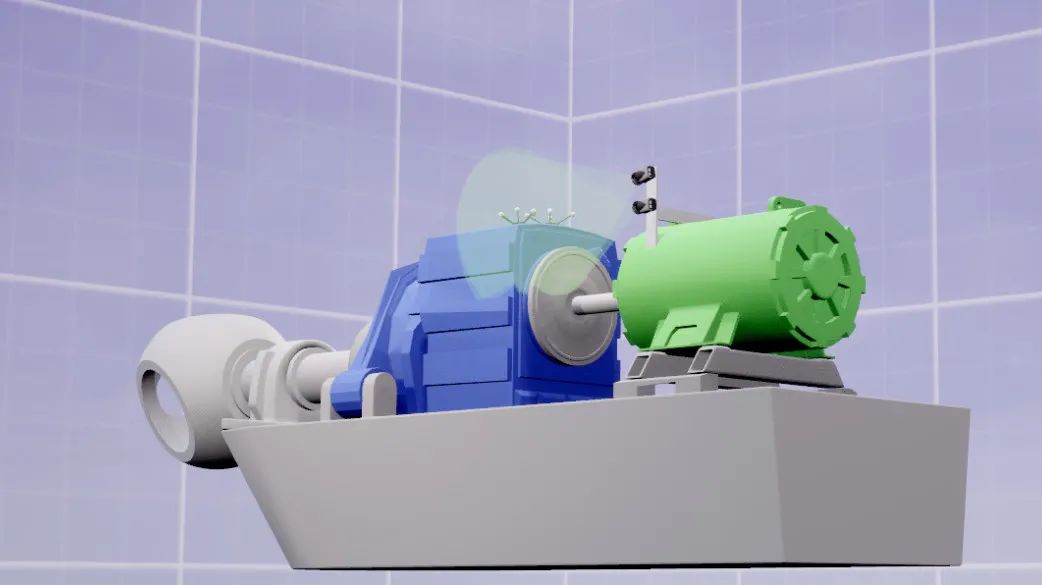
For wind turbines, there are a variety of variables that can cause bearing failure during the operation of a wind turbine. These variables include wind pressure, vibration, and other external factors, which can all cause abnormal movement of the gearbox, eventually causing equipment damage or loss of power. This complex mechanical environment requires an effective monitoring system to ensure stable operation and timely maintenance of equipment.
To solve this problem, Qualisys 3D motion capture systems are used in the actual deployment of wind turbines. Qualisys is cost-effective and easy to install, allowing for real-time 3D monitoring of gearbox performance. This monitoring method helps operators quickly identify potential risk factors and make appropriate decisions immediately to avoid serious failures.
More specifically, the Qualisys motion capture system works by pointing a camera at a set of marking points on the gearbox. With these cameras, real-time data on the gearbox's movements in all directions can be captured. This data is processed to provide detailed information on the gearbox's movements during operation.
The images captured by the Qualisys system not only help optimize the overall performance of the wind turbine, but also significantly reduce downtime during operation. Through real-time monitoring and rapid response, operators can detect and resolve problems in a timely manner, ensuring the continuous and efficient operation of the wind turbine.
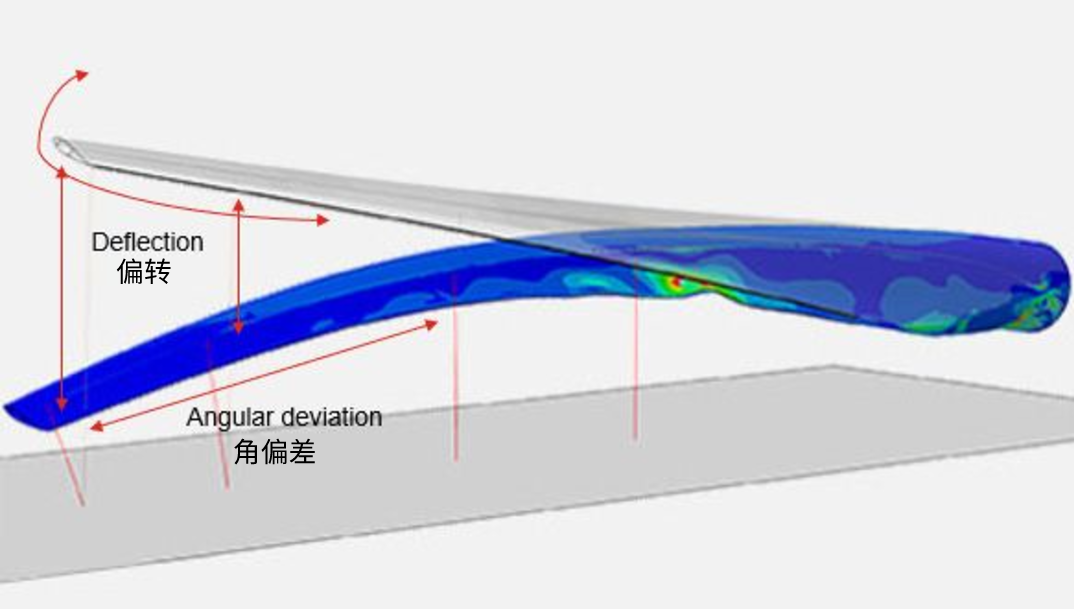
The large size of wind turbine blades generates significant pressure during operation. These blades are not only exposed to harsh external environments, but also need to support their own weight, which can cause significant movement and bending of the blades in all directions. This complex stress and deformation poses serious challenges to the structural integrity and service life of the blades.
In order to ensure the safe operation of the blades under these harsh conditions, rigorous tests are required to determine the elasticity of the blades and their performance under different pressures. These tests are designed to assess how much pressure the blades can safely absorb under wind and dead weight, and how they deform under these pressures.
The Qualisys motion capture system played a key role in this testing process. The system was able to precisely track the deflection of the blade in all directions. By placing a series of marking points on the blade and capturing the movement of these marking points with high-precision cameras, the dynamic behavior of the blade is monitored in real time. By capturing and analyzing this data, engineers can gain a comprehensive understanding of the deformation of the blade under various load conditions.
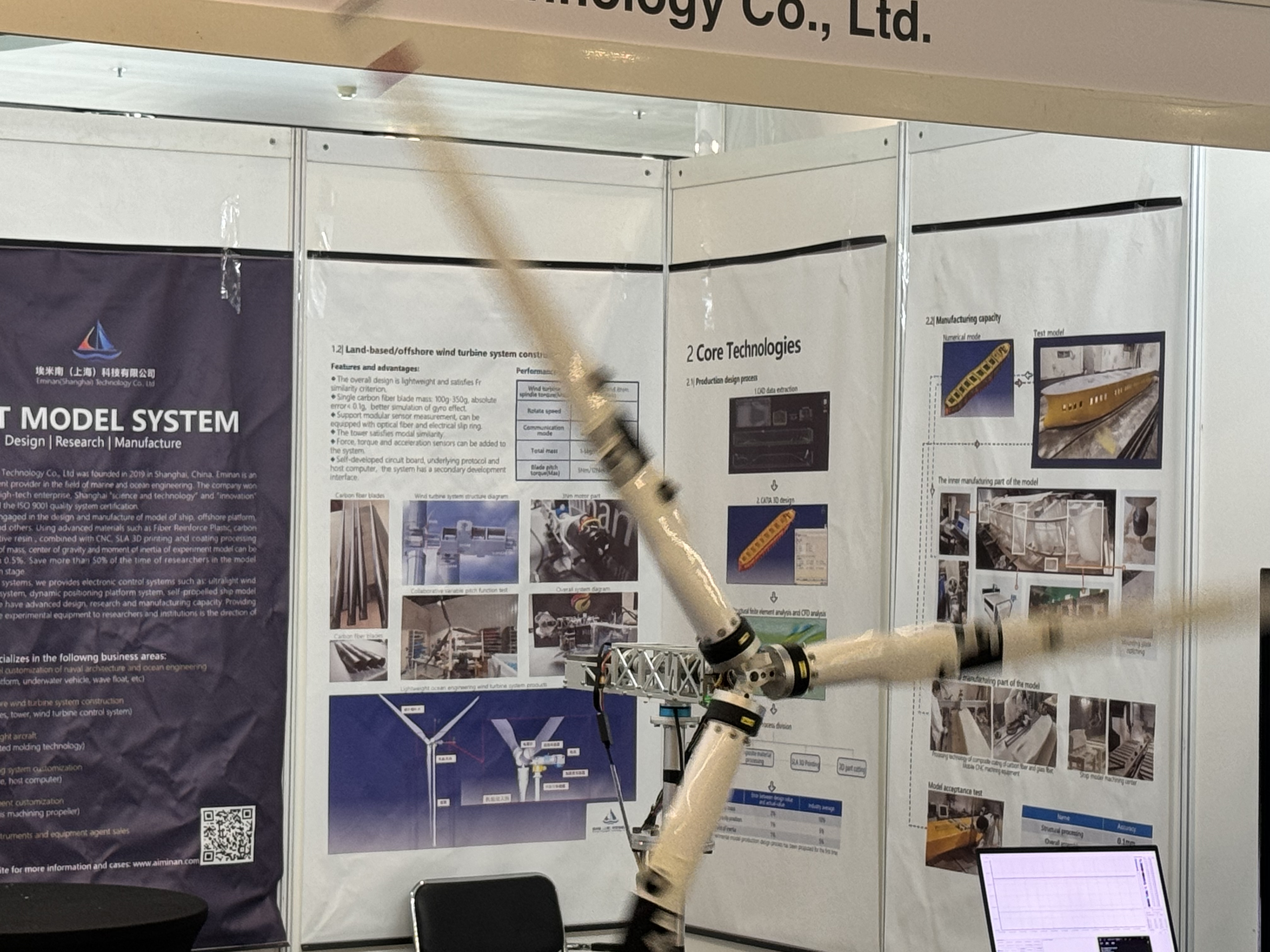
This detailed motion analysis not only helps verify the reliability of the blade design, but also provides valuable data support for further optimization of the design. By using the Qualisys system, engineers can quickly identify potential structural weaknesses and make corresponding improvements to ensure the safety and stability of the blade over long periods of operation.
The application of Qualisys motion capture system in wind turbine blade testing not only enhances the accuracy and efficiency of testing, but also provides a strong guarantee for the reliability of wind power generation equipment. This advanced technical means enables wind turbine blades to maintain optimum performance in extreme environments, thus promoting the development and application of renewable energy.
On offshore PV platforms, the Qualisys system also demonstrates its strong application capabilities. Offshore PV platforms need to face the influence of multiple factors such as waves, tides and wind, and their structural stability and performance are key to ensuring the efficient operation of the platform. By using the Qualisys system, engineers can monitor the dynamic behavior of the platform in real time and capture its movement under various environmental conditions. This data is crucial for evaluating the stability and safety of the platform, and provides a scientific basis for optimizing design and maintenance.
Qualisys motion capture system plays an irreplaceable role in the test conditions of wind turbines and offshore photovoltaic platforms. It not only provides accurate real-time data to help engineers carry out detailed analysis and optimization, but also provides a strong guarantee for the reliability and operational efficiency of renewable energy equipment through its cost-effective and easy-to-install characteristics. The application of this advanced technology has promoted the development of wind and solar power generation, and promoted the wide application and technological progress of renewable energy.
In addition, Qualisys motion capture system can also be applied to ships, underwater vehicles, and other fields.



 The browser own share function is also very useful~