In the process of driving, the tire is the only part that contacts the ground and determines the safety, handling and comfort of the vehicle. The design of tire patterns is not just for aesthetics, but also contains complex engineering and physics principles. How do those seemingly simple patterns improve drainage performance, prevent slippage, reduce noise and extend tire life?
01
The Mysteries of Tire Patterns: The Science and Art Behind Design
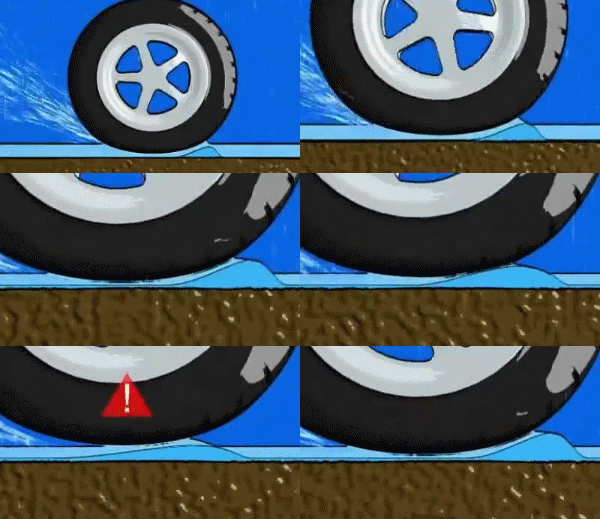
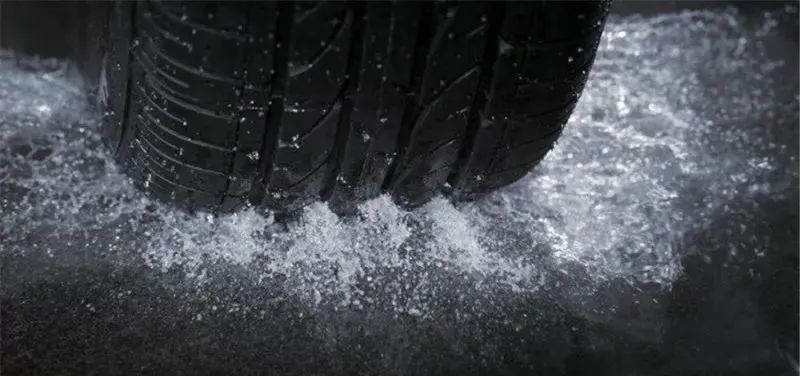
Drainage performance is a key factor in the design of tire patterns, especially on slippery roads, which directly affects the safety and handling of the vehicle. Longitudinal grooves are arranged along the circumferential direction of the tire. Its main purpose is to quickly eliminate water accumulation in front of the vehicle, effectively prevent water from forming a water film between the tire and the road surface, thereby reducing the risk of water drift phenomenon and ensuring that the tire can always effectively stick to the road surface and maintain superior grip. The transverse grooves combined with the longitudinal grooves form an efficient drainage system. The transverse grooves increase the discharge channel of water and further improve the tire's grip on slippery roads. This design is particularly suitable for household and commercial vehicles that need to be driven in rainy areas, providing reliable handling and safety.
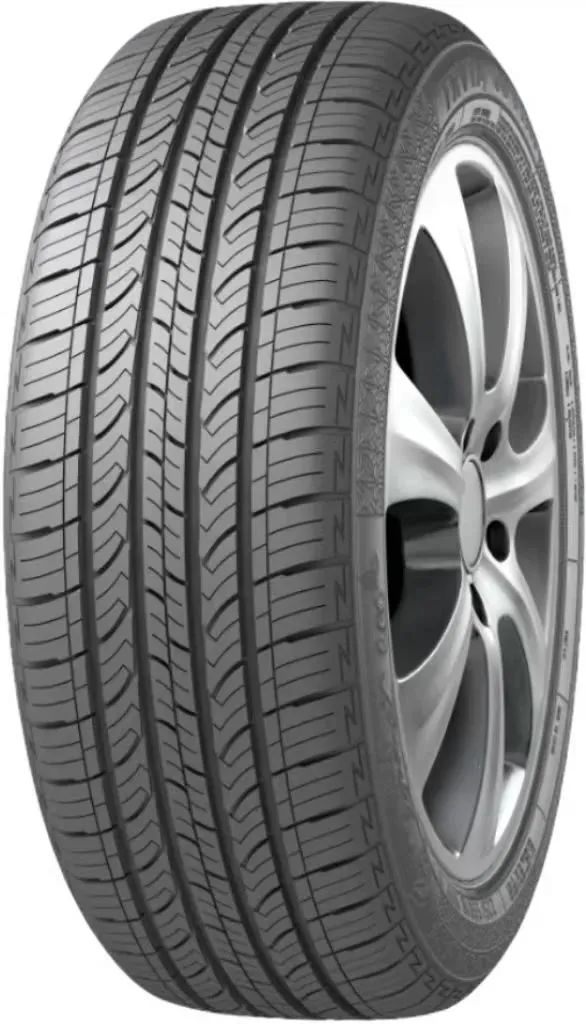
Another common design is the V-pattern, which effectively drains water from the center of the tire. This design not only improves the performance of the tire on the wet surface, but also enhances the stability of the vehicle at high speeds. Therefore, the V-pattern is especially suitable for high-speed cars and sports vehicles, providing an important guarantee for their safety and performance in complex road conditions.
Grip is critical to vehicle handling performance and safety, and tyre design plays a key role in achieving excellent grip. Large blocks are an important design element and are particularly suitable for dry and rough surfaces. These blocks not only increase the edge effect of tyre contact with the road surface, but also enhance friction on highways and city roads, providing a stable driving experience.
In contrast, the small block design is specifically designed for the needs of snow and muddy roads. These small blocks can provide strong traction on loose and slippery roads, effectively preventing the vehicle from slipping in harsh road conditions. Therefore, they are commonly used in the design of all-terrain tires and winter tires to ensure that the vehicle can still drive safely and stably on snow-covered roads.
In addition to this, during the driving of the vehicle, the tires generate a lot of heat, which is mainly due to factors such as friction, road resistance and rapid rotation. Good heat dissipation performance is essential to maintain the overall performance of the tires and prolong their service life. Effective heat dissipation not only prevents high temperature damage to the tire material, but also improves the safety and comfort of driving.
In order to solve this problem, many tires use specially designed cooling grooves. Usually, these grooves are located between the tire's pattern blocks, which accelerate the internal heat dissipation by increasing air circulation, thus maintaining the stability of the tire temperature. This design can effectively prevent tire damage caused by high temperature and improve the reliability of tires in various driving conditions. The use of specific materials or colloidal formulations can also significantly improve the heat dissipation capacity of tires. These tires perform particularly well in high temperature and high speed conditions, ensuring excellent performance in extreme environments.
In addition to heat dissipation, the handling and comfort of a tire are also important indicators of its performance. Good pattern design plays a key role in this regard. Symmetrical pattern design usually provides more balanced handling performance, suitable for vehicles that need to drive smoothly, ensuring that the tire performs consistently in a variety of road conditions. The asymmetrical pattern design is more targeted, providing optimized grip and handling in different road conditions. For example, asymmetrical patterns optimize the pattern in different areas on slippery and dry roads, respectively, to maintain excellent performance in variable driving conditions. These innovations and improvements allow modern tires to continuously improve the driving experience while also providing a stronger guarantee for driving safety.
02
Tire pressure distribution and its influence on vehicle travel
A uniform pressure distribution prevents excessive wear on a certain part of the tire, thus extending its service life. This uniform distribution ensures a more balanced wear of the tire, reducing the need and cost of frequent tire changes, improving economy and efficiency. Secondly, a uniform pressure distribution provides a larger ground area, which significantly improves grip. This not only enhances the stability of the vehicle, but also improves handling, allowing the vehicle to maintain excellent performance in various road conditions and enhances overall driving safety.
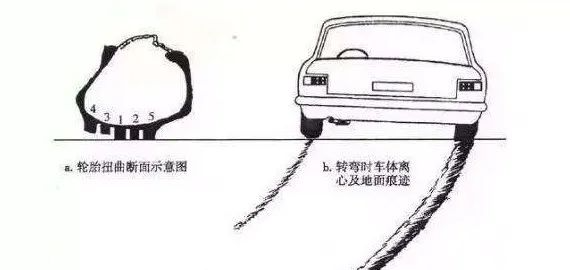
Uneven pressure distribution can increase the risk of loss of control in emergency situations, especially when driving at high speeds or making sharp turns. Uneven pressure distribution can lead to vehicle instability, thus increasing the risk of accidents. In addition, uneven pressure distribution can cause vibration and noise when the vehicle is running, affecting driving comfort. Uneven grounding of tires can cause additional vibration and noise when the vehicle is running, reduce the riding experience, and may cause damage to in-vehicle equipment.
03
Application and Influence of Pressure Sensitive Paper in Optimizing Tire Pattern Design
Pressure-sensing paper: also known as "pressure-sensitive paper" or "pressure-sensitive paper", is an electronic functional material that accurately measures the pressure distribution, size and balance, as well as the flatness and sealing of product joints, and can be widely used in liquid crystal displays, semiconductors, electronic circuits, automobiles, machinery and equipment production and testing.
Under the microscope, pigment particles attached to the donor substrate are adsorbed by the chemically treated surface of the receiving paper, and the receiving paper and the donor coating form a stage. The chemical reaction between the donor paper and the receiving paper enables molecular diffusion between the two layers of paper, thus forming a network penetration of the pigment donor paper to the receiving coating. When a user attempts to separate the donor paper from the receiving paper, the microshear force between them causes the microparticles to leave the colored donor paper, leaving traces.

Pressure-sensitive paper plays a crucial role in the design and testing of tire patterns by accurately detecting and analyzing the pressure distribution of the tire, helping designers and engineers optimize the pattern design to ensure that the tire can achieve optimum performance under various conditions.
The accuracy of PressureFilms pressure sensing paper can reach the pixel level of the picture, restore the real contact area of the tire pattern, and the pressure difference of the pattern details. Later, you can customize the area and output the average pressure, maximum pressure, minimum pressure, pressure value, contact area and other relevant statistical results of each area!
After placing PressureFilms under the tire and applying pressure, the pressure distribution in different parts can be visually observed. By observing the change in color depth, engineers can obtain a detailed image of the pressure distribution. These data are not just static observations, but also specific values of pressure in each area can be read using a pressure-sensitive paper scanner to help gain insight into the tire's grounding characteristics.
By comparing and analyzing against expected design criteria, designers can quickly identify and resolve potential design issues. For example, if pressure is too high or uneven in certain areas, designers can adjust the geometry or depth of the pattern to ensure that the tire maintains consistent performance under various driving conditions.
In addition, the application of pressure-sensitive paper in the tire production process is also very critical. By sampling the produced tires, the quality and performance of each tire can be effectively monitored. This method can not only help to detect deviations or defects in the production process, such as uneven material formulation or mold wear, but also prompt the production team to adjust and improve the process in time to ensure that each tire meets high standards of quality requirements.
Pressure-sensitive paper is not only an indispensable tool in the tire design and production process, but also an important guarantee to ensure tire performance and quality, providing drivers with a safe and stable driving experience.
In addition to tires, pressure-sensitive paper can also be used to test the fixed pressure of automotive fasteners, such as engines, transmissions, turbines, valves, pumps, cylinders, compressors, cylinder head gaskets, engines, brakes, clutches, vaporizers, gaskets, castings, oil discs, transmissions, fuel cells, etc. It can be used to detect sealing performance and adjust the pressure distribution and balance of various components of the automobile.
- End -



 The browser own share function is also very useful~