

Motion Capture-Based Office Scene Optimization: Exploring the Future of Intelligent Work Environments
While studying the evolution of lifestyle in modern society and the frequent interaction between people and chairs in the office environment, we need to explore in more detail the profound impact of this trend on individual health.
For those professionals who need to maintain a sitting posture for a long time, the correct sitting posture and proper seating become essential. Maintaining an incorrect sitting posture for a long time can trigger a series of physical problems, including but not limited to abnormal spinal curvature, excessive muscle tension, excessive pressure on the lumbar spine, improper shoulder posture, and even affect the blood circulation system. These problems not only cause pain and discomfort, but may also evolve into chronic diseases in the future, such as abnormal spinal curvature, posing a potential threat to overall health. In this context, the introduction of motion capture technology has provided a highly innovative avenue to solve related problems. 3D motion capture technology enables comprehensive and objective recording and analysis of an individual's posture and movements in an office environment. Using motion capture technology, researchers can gain insight into the impact of different sitting positions on key areas of the body and understand the complex interactions between bones and joints.

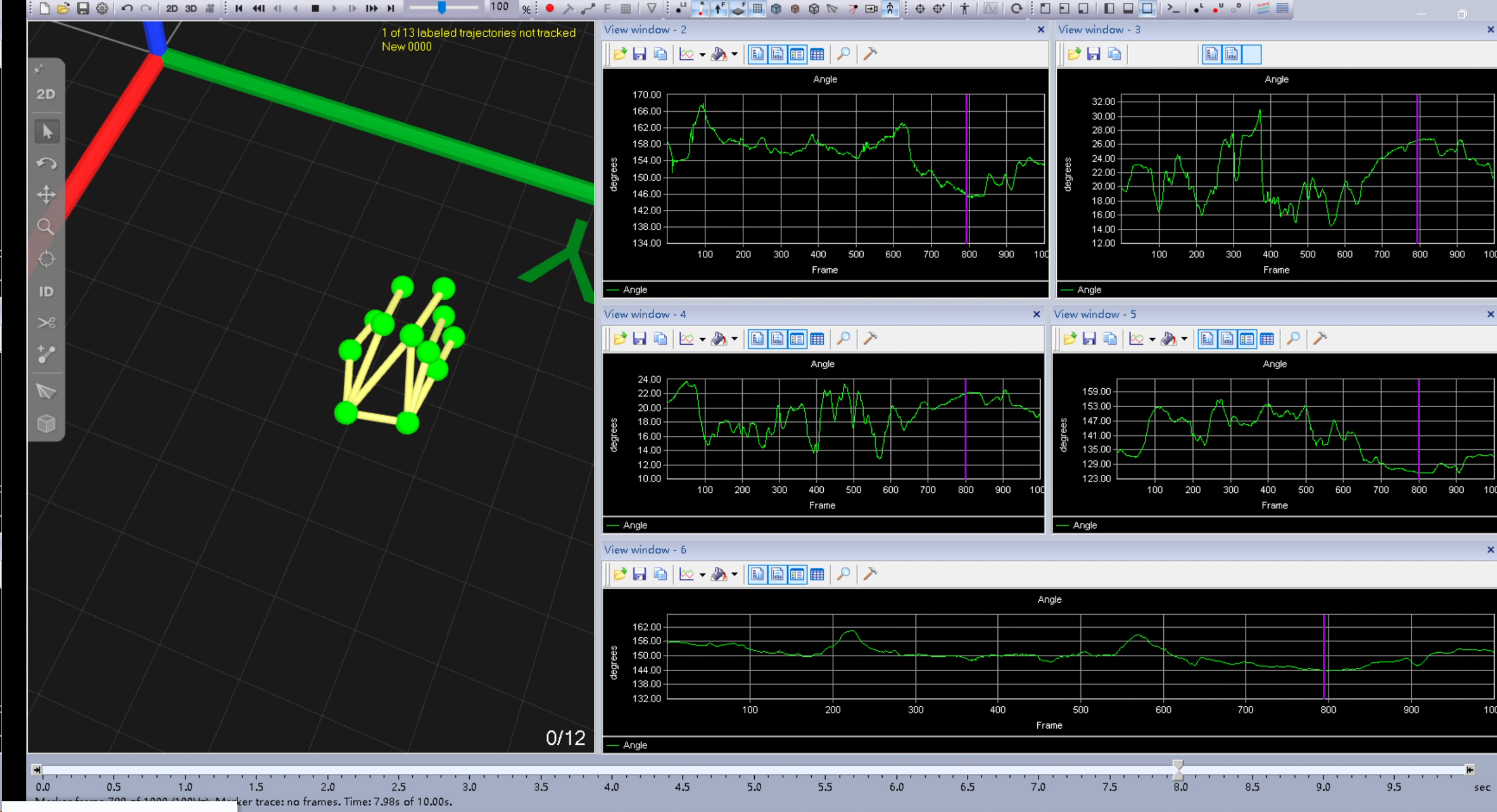
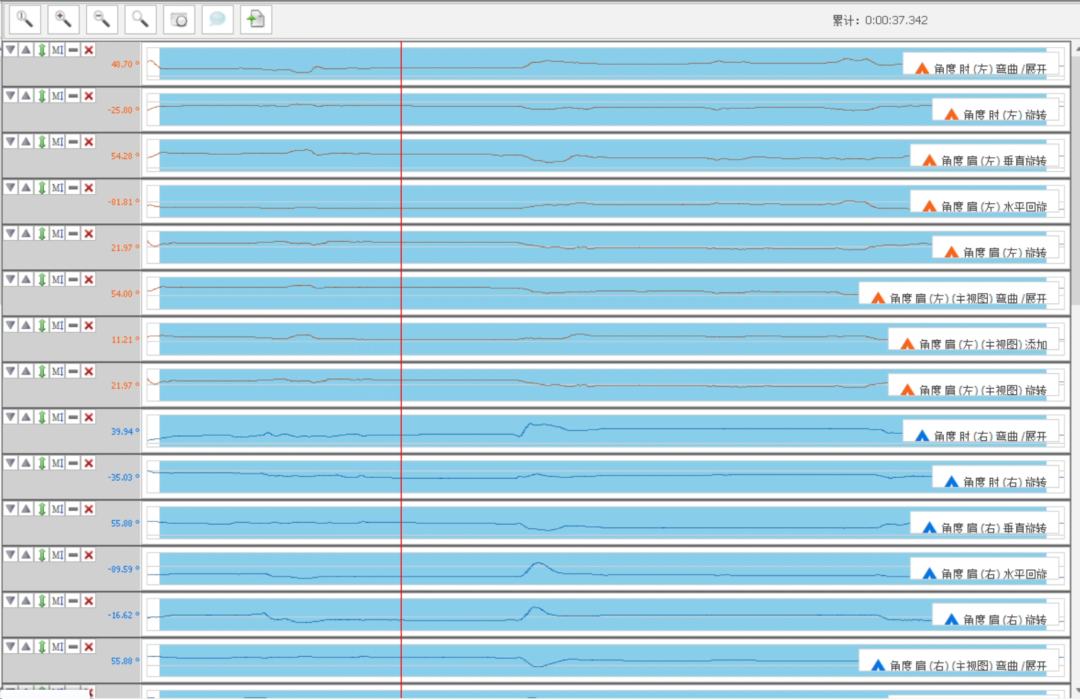
At the same time, using the French TeaCaptiv wearable human motion capture and ergonomic analysis system, 12 IMU sensors were worn to the subject's spine, shoulder, elbow, hip, knee, ankle, and lumbar vertebrae to obtain the joint angle of each joint when the subject tapped the keyboard and controlled the mouse.
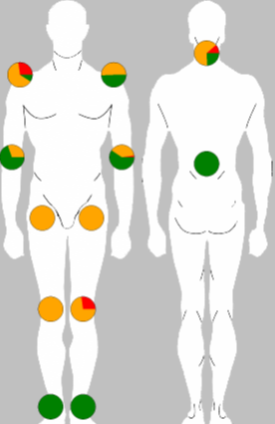
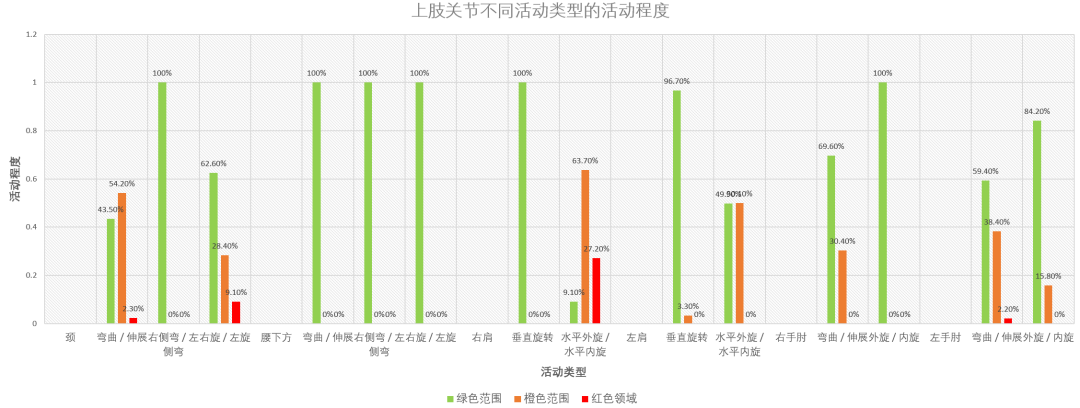
The above picture shows the distribution of joint activity. The different colors in the figure represent the fixed range of motion. Taking the shoulder joint as an example, green represents 0 ° -60 ° in vertical rotation, orange represents 60 ° -90 °, and red represents greater than 90 °. Green represents the normal range of motion, and red represents the abnormal range of motion.
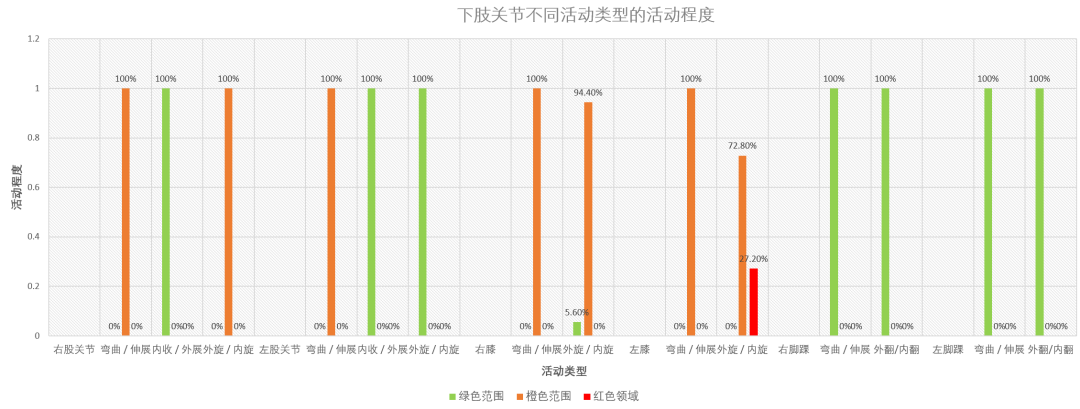
It can be seen from the figure that when the subjects were controlling the mouse and keyboard, the abnormal joint activities were concentrated in the upper body, among which the abnormal horizontal external rotation/internal rotation of the right shoulder accounted for 27.20%, and the abnormal activity was the most significant; followed by the abnormal right rotation/left rotation of the neck accounted for 9.10%. In the lower limbs, the abnormal external rotation/internal rotation of the left knee accounted for 27.20%. The activities of the waist, left and right ankle joints were all green, indicating that the activities of the waist and ankle joints were within the normal range of motion.
 The browser own share function is also very useful~
cancel
Clear records
history record
Clear records
history record
A planned and systematic training and training activities carried out by enterprises to improve personnel quality, ability, work performance and contribution to the organization.



品牌认证
2970天
已认证
