Walking is the foundation of human movement and the preferred form of physical exercise recommended by health management professionals because it helps prevent joint, heart, and lung problems, while speeding up metabolism and reducing the risk of diabetes. Therefore, using walking analysis and training to help the body regain full efficiency is the ultimate goal of many training programs.
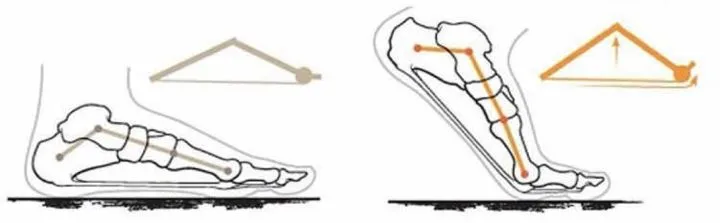
Normal walking does not require thinking, but the control of walking is very complex, including central command, body balance, and coordination control, involving the coordinated movement of muscles and joints in the feet, ankles, knees, hips, torso, neck, shoulders, and arms. Any disorder in any link may affect gait, and some abnormalities may also be compensated or masked.
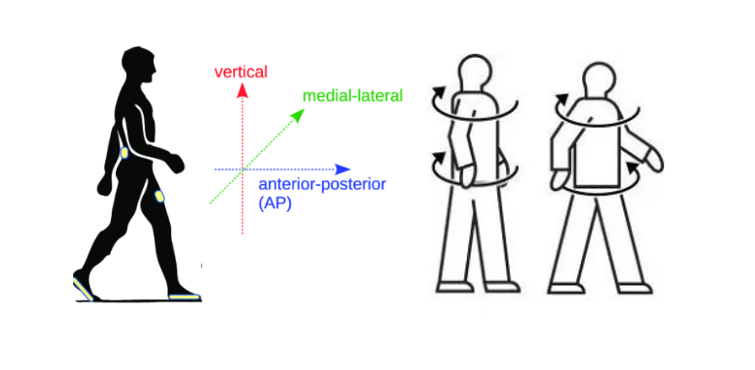
Movement disorders can affect multiple aspects, but they are always manifested as increased gait variability and asymmetry, leading to compensation, inefficiency, and increased energy expenditure.
The presence of postural imbalances and movement disorders has long been a concern, and the foot complex is a difficult joint system to assess because one quarter of the human body is made up of bones below the ankle. Over the years, the introduction of increasingly complex measuring instruments has made it possible to overcome purely visual observation and facilitate more precise and scientific gait analysis.
Gait analysis is recognized as a useful evaluation method in the field of human movement research, which can objectify motor behavior. Clinical gait analysis aims to reveal the key links and influencing factors of gait abnormalities through biomechanical and kinematic means, thereby assisting in rehabilitation evaluation and treatment, as well as in clinical diagnosis, efficacy evaluation, and mechanism research.
Bulky instruments and complex ways of wearing them can affect the quality of gait in subjects. Therefore, the ability to capture human movement in an ecological (natural) environment will bring various benefits, including the opportunity to evaluate different movement postures with quick and minimal training without the subjective involvement of the subject being analyzed, so a more representative gait analysis report can be obtained.
Among them, the most important and widely monitored gait parameters are:
▶The duration of the gait cycle (also called the support phase, as a percentage of the gait cycle): Since walking is a cyclic movement, the gait cycle (or stride length) is traditionally defined as the time period or sequence of events in the course of this movement that begins when one foot touches the ground and ends when the same foot touches the ground. Each gait cycle (100%) is divided into the support phase (standing phase, usually around 60%) and the wobble phase (wobble phase, 40%). These two phases can be further divided into different sub-phases.
▶Step length and gait period length.
▶Time parameters: Key parameters include stride length (from one heel to the opposite heel), gait phase, and stride frequency. The stages of foot-to-ground contact can be further divided into three substages with different functions.
▶Pace.
▶Dynamic torso posture is monitored to detect any compensatory movements throughout the body.
In the pursuit of healthy living and the current trend of technological development, it is increasingly important to encourage the widespread use of gait analysis, away from the use of large and expensive laboratory systems, and towards more flexible and portable technical solutions provided by new motion analysis technologies.
In the past 10 years, the development of computer technology has promoted the ability of gait data processing and analysis, and greatly promoted the development and clinical application of gait analysis. Today, I will introduce several biomechanical testing tools suitable for gait analysis.
01
3D motion capture system
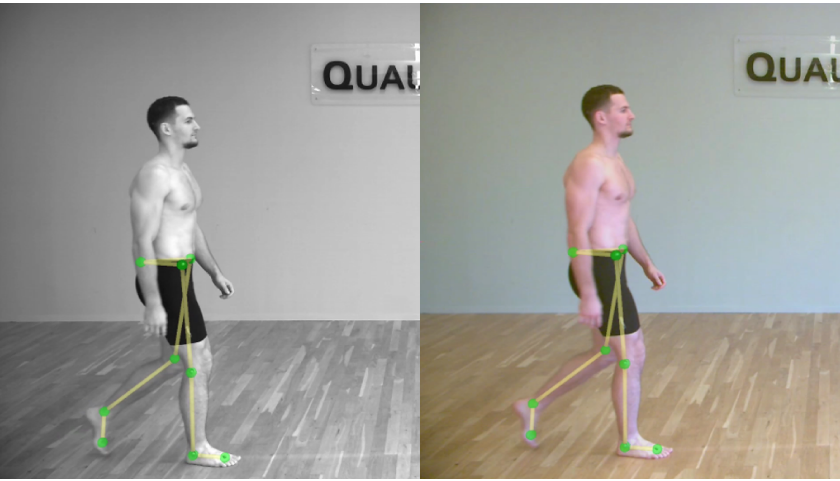
Qualisys 3D motion capture system is based on sub-millimeter precision industrial-grade lenses, coupled with QTM software with running posture analysis plug-in, to output a walking motion technical analysis report with one click.
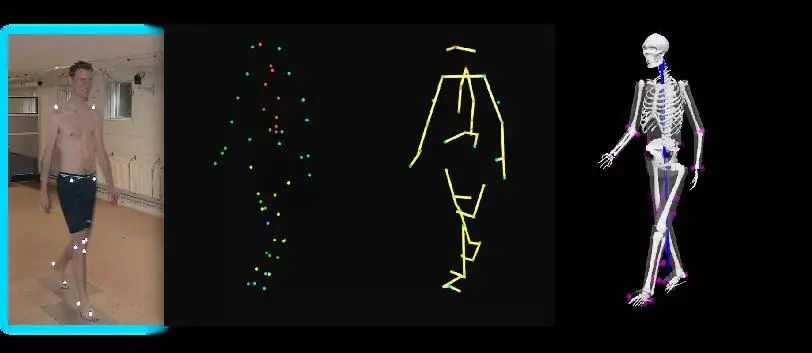
This report includes video and full-body biomechanical analysis data: body tilt/rotation angle, elbow and wrist motion trajectories, pelvic height, hip angle, knee angle, foot touchdown, and more.
02
Inertial motion capture system
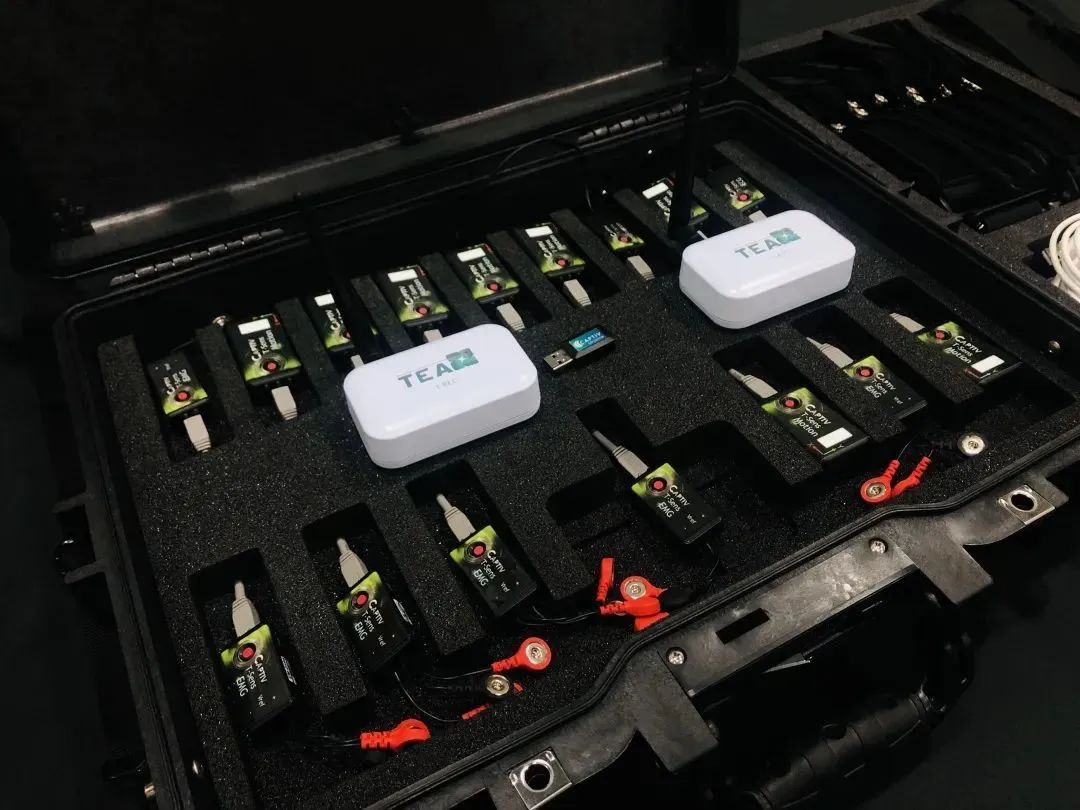
The TeaCaptiv wearable human motion capture and ergonomic analysis system is a full-body three-dimensional motion capture and ergonomic evaluation system based on wireless inertial sensing technology. It uses wearable technology and wireless data transmission technology that are most suitable for the real scene to realize wireless communication, allowing subjects to move and operate in a state of complete natural freedom from any interference. It includes a variety of sensors such as surface electromyography, inertial units, heart rate detection, and respiratory detection, which can detect the human body in an all-round way.
03
surface electromyography acquisition system
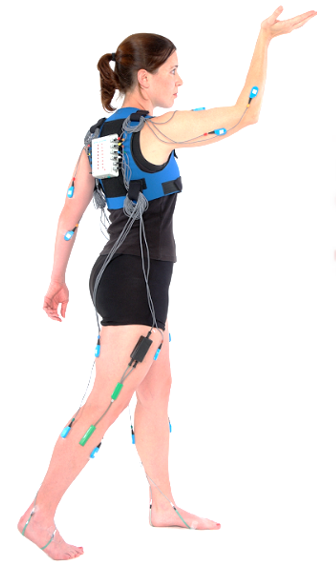
Muscle contraction is the driving force of movement, that is, different muscles work together at different time periods to complete the walking action. The brain nerves send signals to the muscles to command the muscles to contract, and this signal is in the form of bioelectricity.
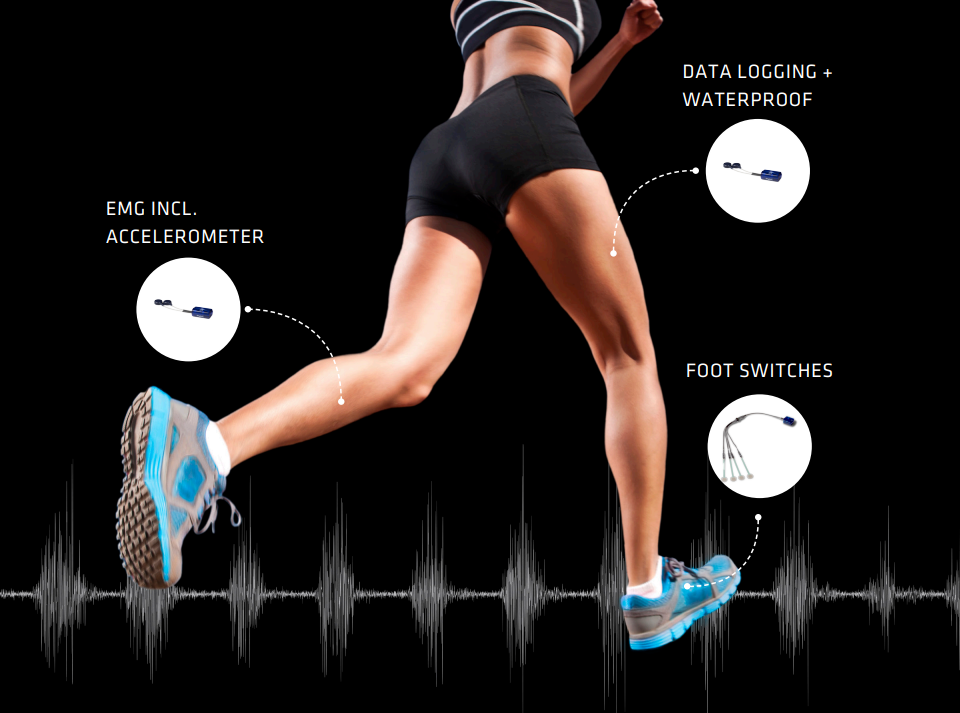
Surface EMG acquisition systems (Motion lab, Myon, etc.) obtain this "signal" through signal receivers attached to the surface of the body. Based on this, we can analyze when and how strongly different muscles contract during walking.
04
Plantar stress testing system
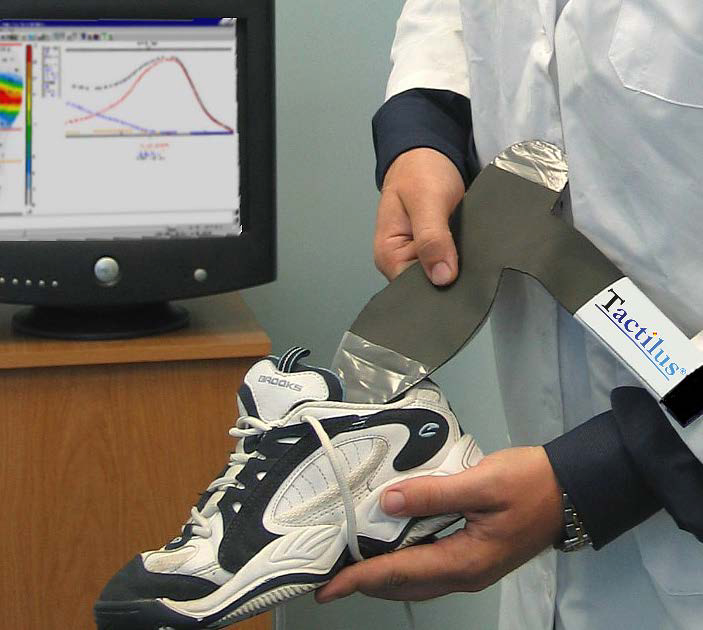
With the advance of new sensing technology and computer technology, plantar pressure measurement has become increasingly important in biomechanical gait research, and has now become a representative research direction of biomechanics. The flexible and portable high-resolution sensor provides biomechanical professionals, clinicians and researchers with accurate methods for analyzing and evaluating gait, walking and running gait, and plantar pressure data.
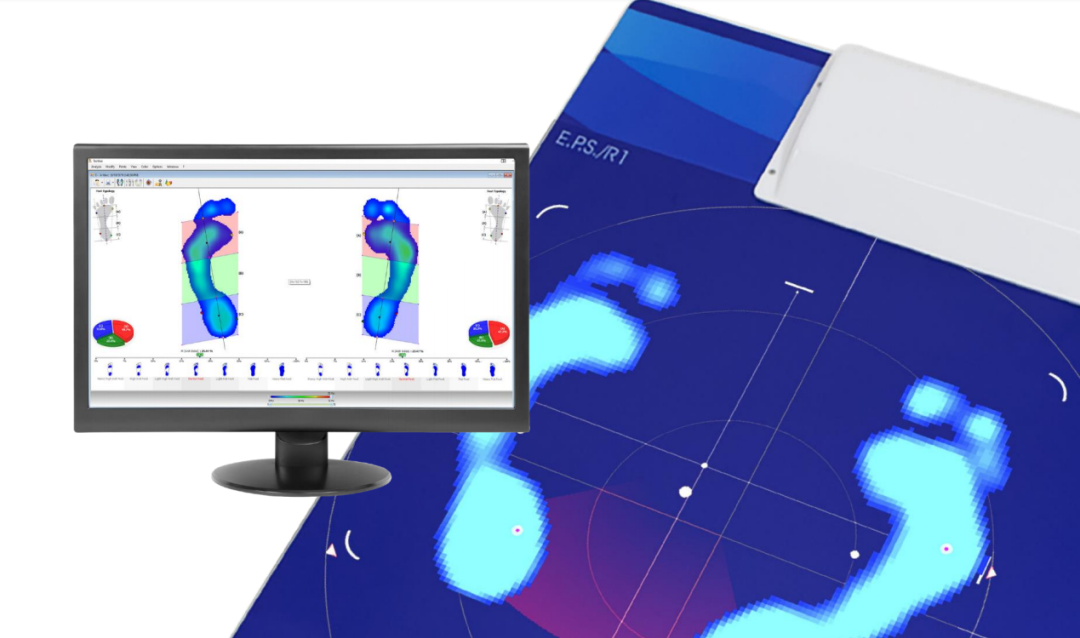
Due to its ultra-thin shape and portable design, it can be tested on any flat surface such as laboratories, offices, gyms, etc., which can reduce the risk of falls and gait disturbances. It can be used for the analysis of static and dynamic plantar conditions and body balance. It is widely used in sports biomechanics research, sports shoe design, gait analysis, balance analysis, diabetic foot testing, lower limb bone and joint diseases and other clinical and scientific research fields.
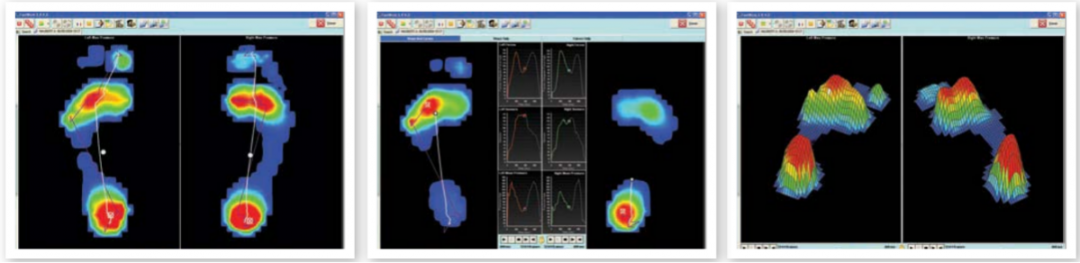
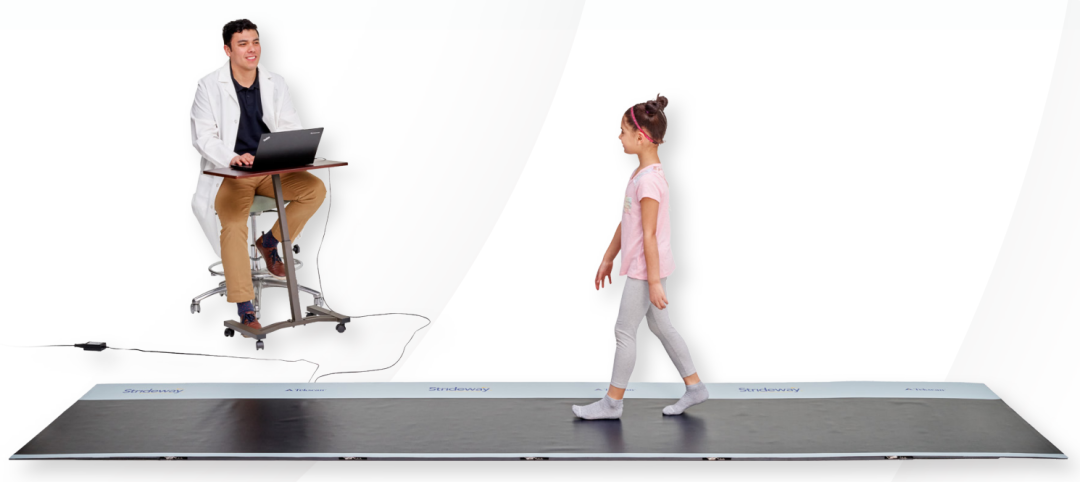
Gait data is displayed in a variety of ways, including: graphs, pressure distribution graphs, tables, and graphs to quickly identify asymmetries, abnormalities, and treatment outcomes. Additionally, through the database, it can assist in tracking treatment effectiveness and comparing records over time. The portable trail, which can collect multiple footprints in one walk, is ideal for children, the elderly, those with crutches or gait impairments. Automatically detects, labels, and partitions for quick gait analysis.
05
3D force gauge
The three-dimensional force table system can detect the pressure between the plantar and the supporting surface (vertical, left and right, front and rear) when standing or walking, running and jumping. By measuring and analyzing these pressure data, biomechanical information reflecting the structure, function and even the coordination of the lower limbs of the human body can be obtained.
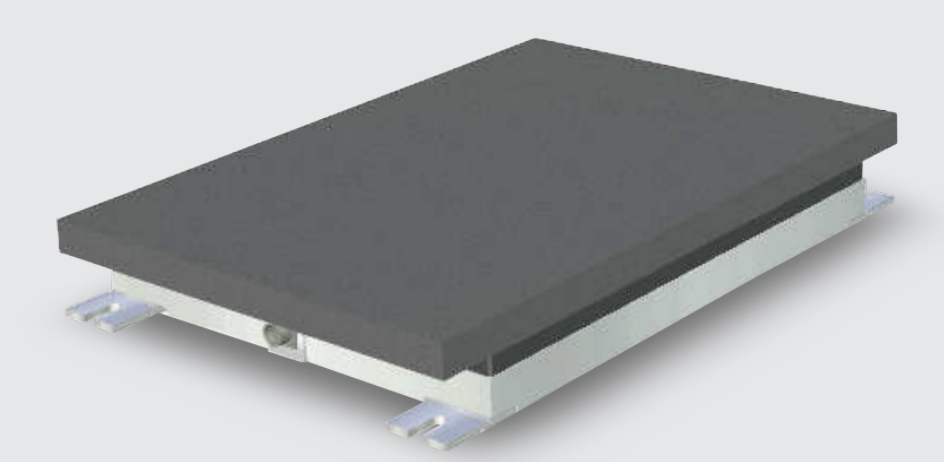
At the same time, the three-dimensional force table system can detect the pressure center curve of the normal person and the patient when they stand on the ground during walking, and compare and analyze the gait of the normal person and the patient with the graphics and data detected by the force table system, so as to find out the problems existing in the patient when walking, identify the factors affecting the gait, and evaluate and make recommendations for the patient's rehabilitation plan.
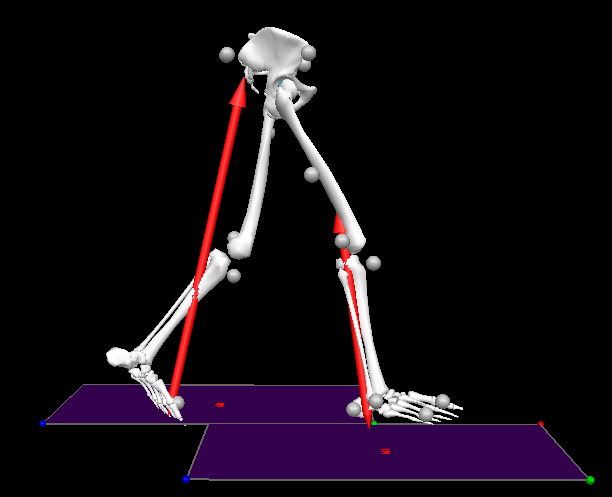
The value of gait analysis is not just in preventing injuries. The correct gait for athletic performance can have a greater impact than months of training. Therefore, whether you want to improve athletic performance or simply pursue a healthy lifestyle that lasts a lifetime, you should ensure that your gait is correct when walking.
Source of content:
"Gait disorders in adults and the elderly."
https://www.ncbi.nlm.nih.gov/pmc/articles/PMC5318488/(accessed Sep.03, 2019).
S. Hanson and A. Jones, "Is there evidence that walking groups have health benefits? A systematic review and meta-analysis," Br.J. Sports Med., vol. 49, no. 11, pp. 710-715, Jun. 2015, doi: 10.1136/bjsports-2014-094157.



 The browser own share function is also very useful~