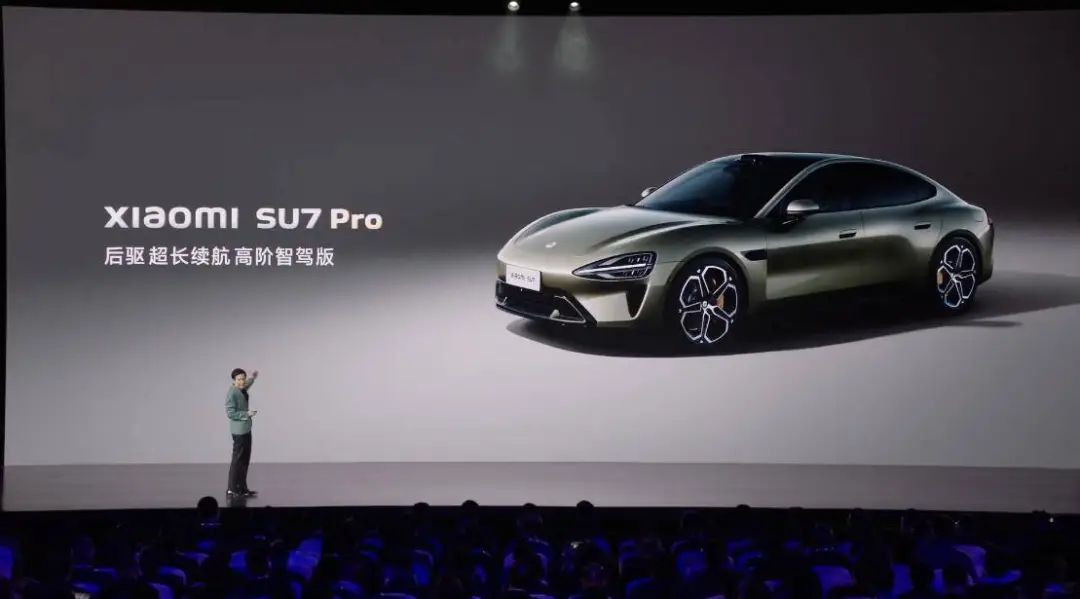
As tech giant Xiaomi entered the automotive industry, its first model, Xiaomi SU7, showed amazing market appeal in the early days of its listing. On March 28, Xiaomi's car launch, harvested the heat presented on all major platforms, Weibo's trending topic list exceeded 30, Bilibili heat 17 million, Douyin TOP1, 100 million people watched.

After only 27 minutes on the market, a large number of units broke through 50,000 units, and within 24 hours it soared to 88,898 units, and the founding version was sold out in seconds. The fire of Xiaomi SU7 is simply more violent than the hot pot base. As soon as you shoot, it is a "seckill" level performance.
At the press conference, Lei Jun said that the battery is the cornerstone of pure electric vehicles and the core component, accounting for 40% to 50% of the cost of the whole vehicle, and affecting the battery life, safety and handling of the vehicle.
Whether it is for the Xiaomi SU7 or other automakers, the battery safety of pure electric vehicles has always been one of the key concerns in the development of electric vehicle technology.
· Overheating and overcharging: Batteries can cause safety issues due to overheating during charging or discharging. Overcharging can cause the battery to overheat, which can lead to a fire or explosion.
Short circuit: Wear or external factors on the internal components of the battery can cause a short circuit, causing the battery to lose control and cause a fire or explosion.
Puncture and impact: The battery pack is usually installed on the bottom of the car and is susceptible to debris, obstacles, or traffic accidents on the road, causing battery damage, puncture, or impact, which in turn poses a safety hazard.
Electrolyte leakage: Electrolyte leakage inside the battery pack can cause chemical reactions, generate harmful gases, and even cause fires or explosions.
Excessive discharge: Excessive battery discharge can cause damage to the internal structure of the battery pack, which can lead to fire or explosion.
In order to address these battery safety issues, automakers have taken a variety of measures, including but not limited to:
Battery management system: Monitor and manage the charging and discharging process of batteries to ensure safe operation.
Thermal management system: a cooling system and cooling system are used to control the battery temperature and prevent overheating.
Structural design: Through structural design and protection measures, ensure that the battery pack can withstand external shocks as safely as possible in the event of an accident.
Safety Testing and Certification: Manufacturers conduct rigorous safety testing and certification of battery packs to ensure they comply with relevant safety standards and regulations.
The 800V high-voltage platform developed by Xiaomi Auto adopts CTB integrated body technology. The body floor and the upper cover of the battery pack are combined into one, releasing a height of 10mm. The thickness of the battery pack + floor is 120mm, which can bring more space to the passenger compartment. At the same time, the wiring harness of the battery pack is reduced by 91%, which finally makes the battery pack highly integrated and the volume efficiency reaches 77.8%. On this high-voltage platform, the capacity of the battery pack can reach 150 degrees, and the CLTC cruising range exceeds 1200 kilometers.
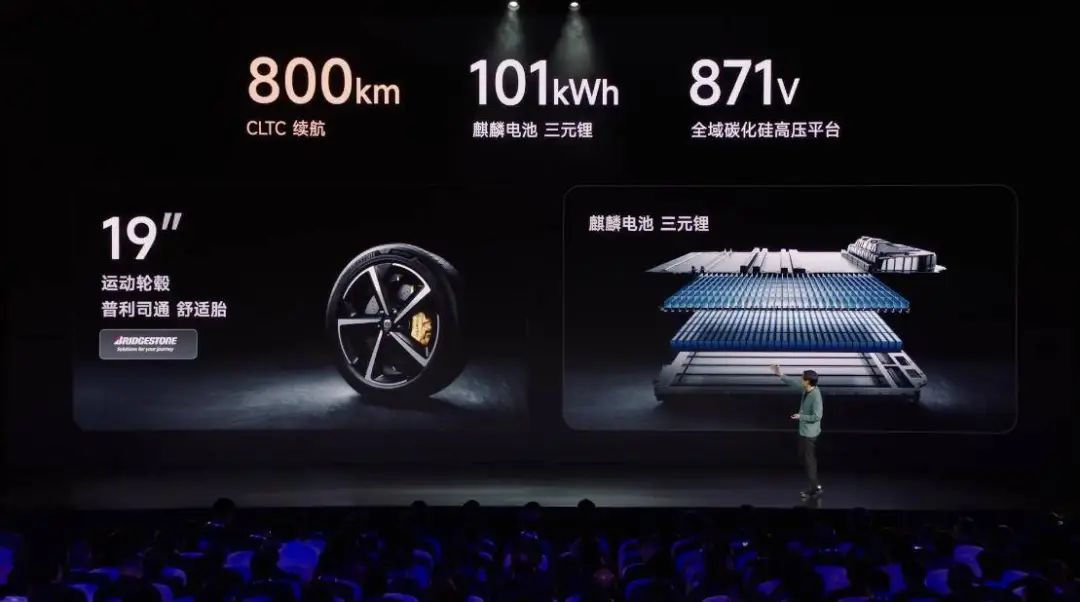
In terms of safety, the Xiaomi battery pack is equipped with double-sided active cooling, with a maximum cooling area of 7.8 square meters, and the side of the battery cell is filled with aerogel insulation material.
In terms of physical protection, the battery pack has 14 layers of physical protection, including 2000MPa thermoformed steel and ultra-high-strength steel beams, advanced high-strength steel frames, and 153mm ultra-wide extruded aluminum doors.
At the same time, the battery has withstood the world's most stringent thermal failure safety standards, and uses cell inversion technology to ensure that the battery can quickly release heat sources in the event of extreme thermal runaway, ensuring the safety of the crew compartment to the greatest extent possible.
Despite this, battery safety remains one of the areas where the electric vehicle industry needs to continue to pay attention and improve, and measures need to be continuously updated to improve its safety performance.
In the case of different local conditions in the fuel cell, it can lead to uneven mass conversion, resulting in uneven current production. One of the keys to gaining a deeper understanding of electrochemical cells is to measure the current density distribution. In large fuel cells, this is important for savings and reliable operation as well as a high lifetime.
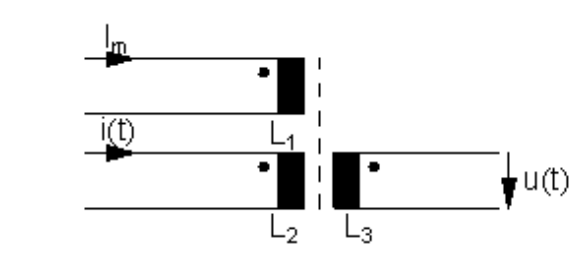
The measurement unit of the S ++ fuel cell density and temperature test system is composed of a small transformer. The permeability of the magnetic material depends on the magnetization and temperature. The current Im being measured flows through the coil L1 and causes the magnetization of the magnetic material (dashed line). The alternating current i (t), supplied to L2, induces the voltage u (t) into the coil L3. This voltage depends on the permeability of the magnetic material (dashed line). So the size of Im has the right to decide.
Individual measurement units are carried out in series in rows and columns. AC i1 (t) to in (t) will be continuously fed into the matrix to activate rows 1 to n. voltages from u1 (t) to un (t) will be collected as measurement signals. Measurement units are not activated by AC and do not transmit any information to the measurement signal. In general, n ² measurement points can be reached with 2n pairs of conductors. Therefore, the complexity of connecting wires, controlling and evaluating electrons is linear! In this way, it is easy to establish measurement devices for any large fuel cell.

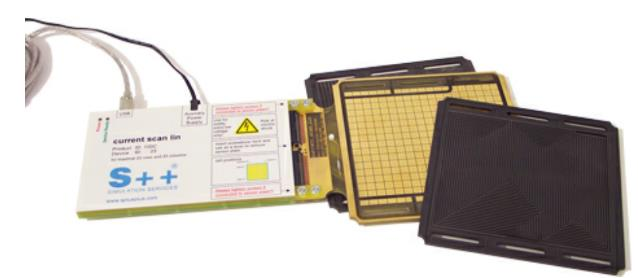
The image below shows a custom sensor board with an active area of 800cm ² and 46x36 measurement units. Almost any design is possible, with a minimum measurement unit size of 7x7mm and a maximum size limited by the current they have to measure.
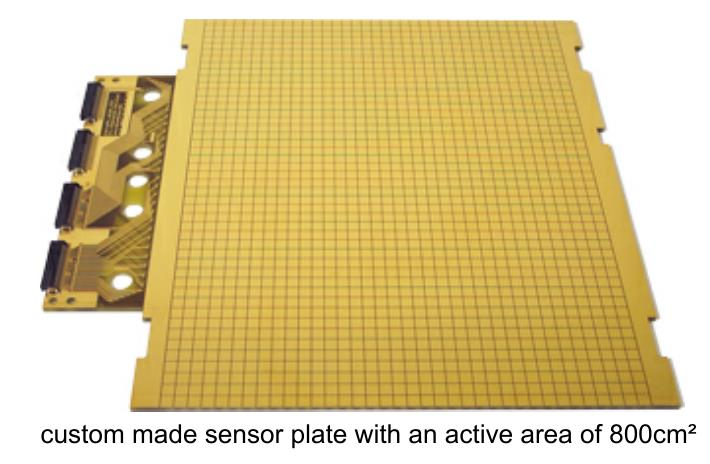
The S ++ fuel cell density and temperature test system can provide detailed flow field analysis, detailed material analysis, fuel cell optimization, fuel cell fault diagnosis, resolution of about 7 × 7 mm, maximum measurable current 3A/cm ², maximum measurable temperature 180 ° C, standard models can also be customized.
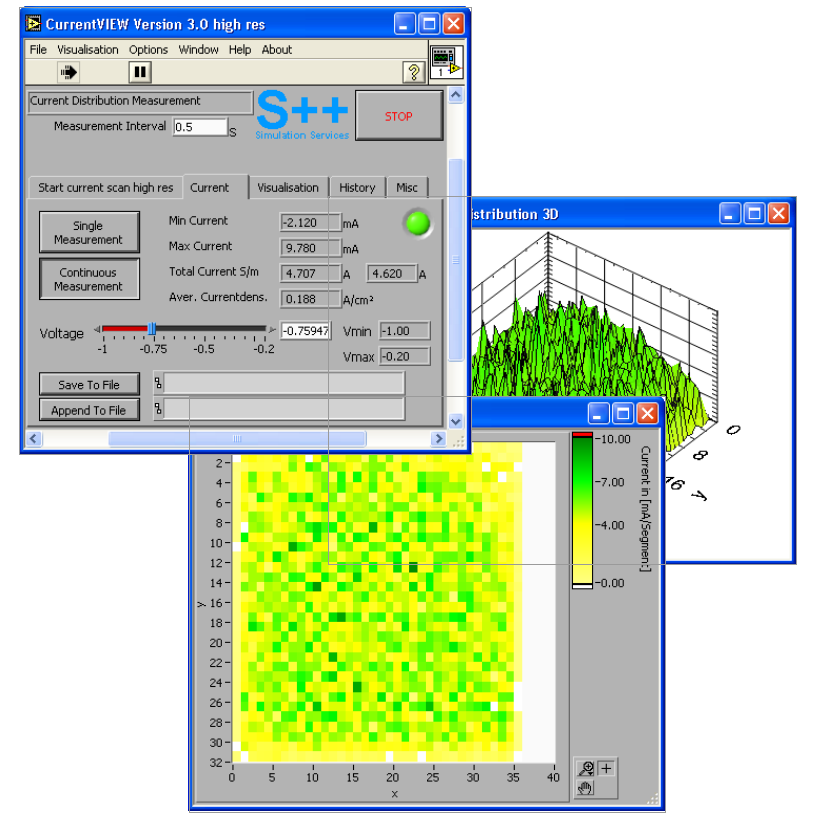
The S ++ fuel cell density and temperature test system is also suitable for large fuel cells. It can be connected to any computer via USB, making it easy to operate and use!
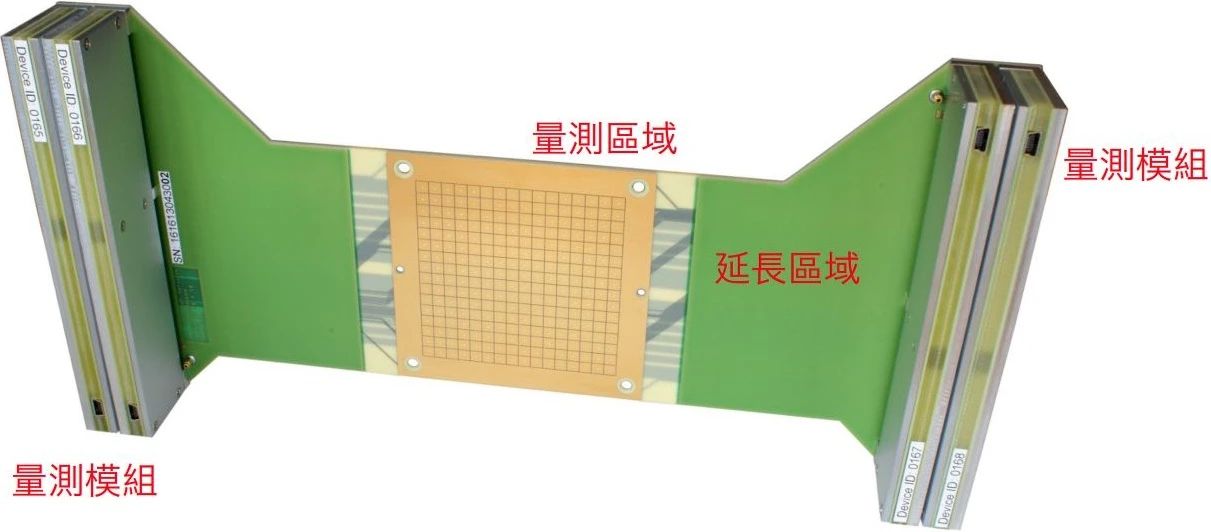
As one of the important development directions of the future automotive industry, with the growing global attention to climate change and environmental protection, as well as the strengthening of emission restrictions on traditional fuel vehicles, fuel cell vehicles have great potential as a zero-emission clean energy transportation.
The safety of the fuel cell system is directly related to the safety of users' lives and property and the degree of trust in new energy vehicle technology. If there are safety hazards or defects in the fuel cell system, it will not only cause potential safety threats to users, but also have a negative impact on the reputation and development of the entire industry. Therefore, through strict safety inspection of the fuel cell system, accidents can be prevented, user safety can be guaranteed, industry reputation can be maintained, and sustainable development of fuel cell vehicle technology can be promoted. This comprehensive safety inspection is not only a test of technical strength and manufacturing process, but also a manifestation of corporate social responsibility. It is an important guarantee to ensure the healthy development of the new energy vehicle industry.



 The browser own share function is also very useful~